
4
0
Support the library.
Your support helps keep books free for everyone ❤️
📍 Noticed
Inside the Criminal Mind
by Stanton E. Samenow
Sponsored
Synopsis
In 1984, this groundbreaking book presented a chilling profile of the criminal mind that shattered long-held myths about the sources of and cures for crime. Now, with the benefit of twenty years' worth of additional knowledge and insight, Stanton Samenow offers a completely updated edition of his ...
In 1984, this groundbreaking book presented a chilling profile of the criminal mind that shattered long-held myths about the sources of and cures for crime. Now, with the benefit of twenty years' worth of additional knowledge and insight, Stanton Samenow offers a completely updated edition of his classic work, including fresh perceptions into crimes in the spotlight today, from stalking and domestic violence to white-collar crime and political terrorism.
Dr. Samenow's three decades of working with criminals have reaffirmed his argument that factors such as poverty, divorce, and media violence do not cause criminality. Rather, as Samenow documents here, all criminals share a particular mind-set--often evident in childhood--that is disturbingly different from that of a responsible citizen.
While new types of crime have grown more prevalent, or at least more visible to the public eye--from spousal abuse to school shootings--little has changed in terms of our approach to dealing with crime. Rehabilitation programs based on the assumption that society is more to blame for crime than the criminal, an assumption for which a causal link has yet to be established, have proved to be grossly inadequate. Crime continues to invade every aspect of our lives, criminal court dockets and prisons are oppressively overcrowded and expensive, and recidivism rates continue to escalate.
To embark on a truly corrective program, we must begin with the clear understanding that the criminal chooses crime; he chooses to reject society long before society rejects him. The criminal values people only to the extent that he can use them for his own self-serving ends; he does not justify his actions to himself. Only by "habilitating" the criminal, so that he sees himself realistically and develops responsible patterns of thought, can we change his behavior.
It is vital that we know who the criminal is and how and why he acts differently from responsible citizens. From that understanding can come reasonable, compassionate, and effective solutions.
Dr. Samenow's three decades of working with criminals have reaffirmed his argument that factors such as poverty, divorce, and media violence do not cause criminality. Rather, as Samenow documents here, all criminals share a particular mind-set--often evident in childhood--that is disturbingly different from that of a responsible citizen.
While new types of crime have grown more prevalent, or at least more visible to the public eye--from spousal abuse to school shootings--little has changed in terms of our approach to dealing with crime. Rehabilitation programs based on the assumption that society is more to blame for crime than the criminal, an assumption for which a causal link has yet to be established, have proved to be grossly inadequate. Crime continues to invade every aspect of our lives, criminal court dockets and prisons are oppressively overcrowded and expensive, and recidivism rates continue to escalate.
To embark on a truly corrective program, we must begin with the clear understanding that the criminal chooses crime; he chooses to reject society long before society rejects him. The criminal values people only to the extent that he can use them for his own self-serving ends; he does not justify his actions to himself. Only by "habilitating" the criminal, so that he sees himself realistically and develops responsible patterns of thought, can we change his behavior.
It is vital that we know who the criminal is and how and why he acts differently from responsible citizens. From that understanding can come reasonable, compassionate, and effective solutions.
You May Also Like
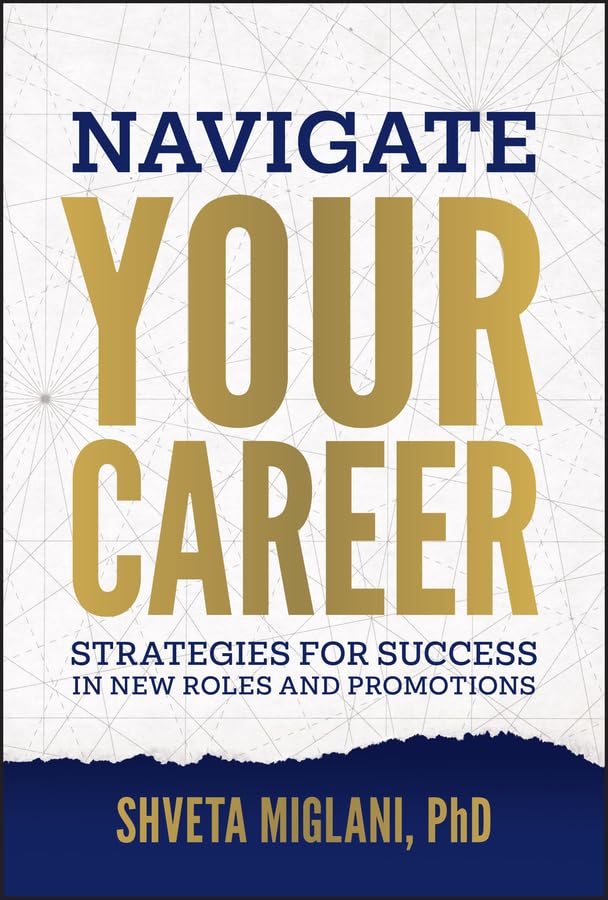
Navigate Your Career: Strategies for Success in New Roles and Promotions
Shveta Miglani

Strong Fathers, Strong Daughters: 10 Secrets Every Father Should Know
Meg Meeker

Gridlessness: Finding Freedom Off-Grid
Jeff Burkinshaw

U.S.A. Cookbook
Sheila Lukins

Dinner in One: Exceptional & Easy One-Pan Meals: A Cookbook
Melissa Clark

Stamped: Racism, Antiracism, and You
Jason Reynolds
Religion Picks
View All
The Exvangelicals: Loving Living and Leaving the White Evangelical Church
Sarah McCammon
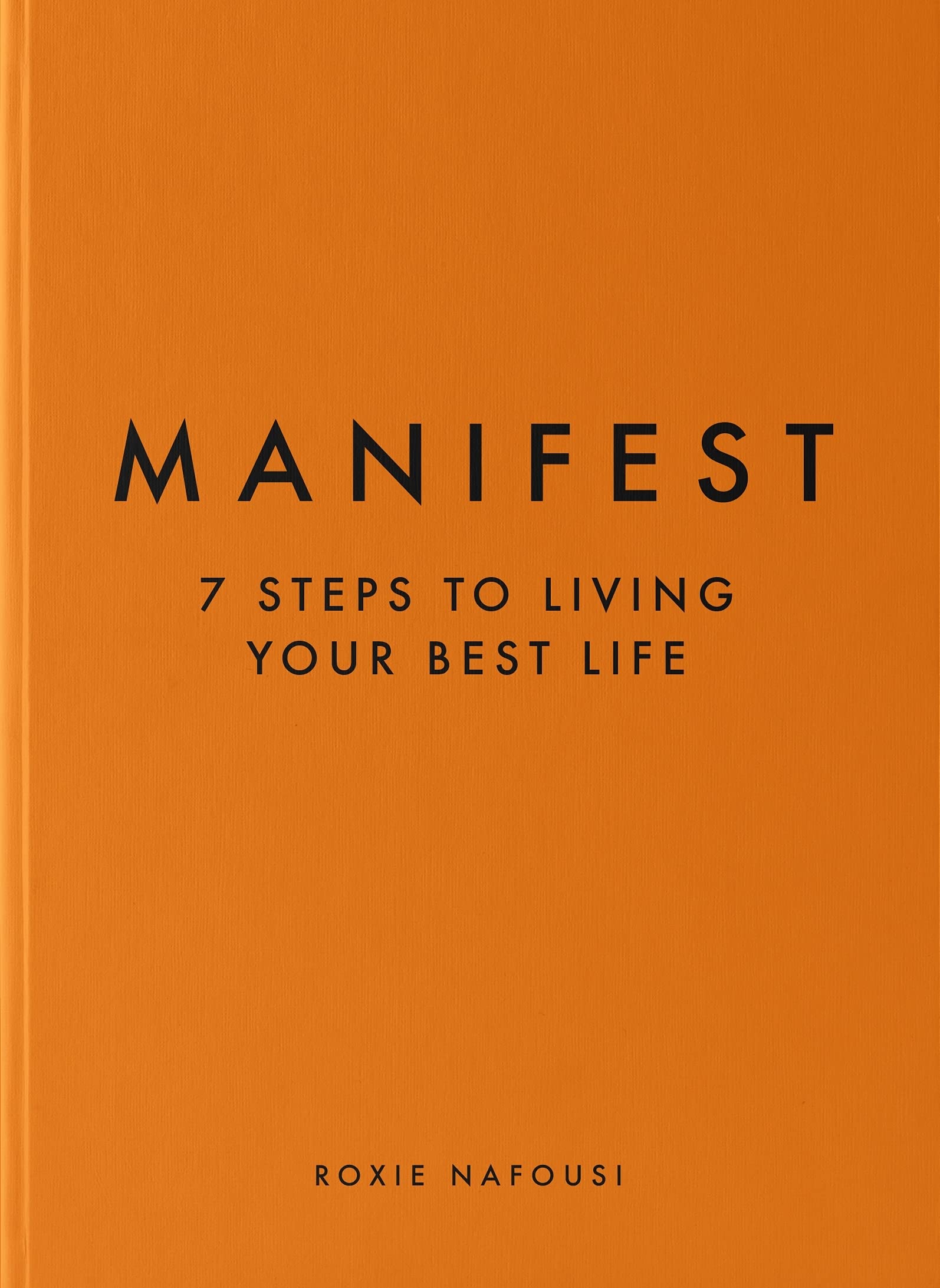
Manifest: 7 Steps to Living Your Best Life
Roxie Nafousi

Falling Back in Love with Being Human: Letters to Lost Souls
Kai Cheng Thom

Meet Me at the Crossroads
Megan Giddings

Unspeakable: Surviving My Childhood and Finding My Voice
Jessica Willis Fisher

Cults Like Us: Why Doomsday Thinking Drives America
Jane Borden
