1
0
Support the library.
Your support helps keep books free for everyone ❤️
📍 Noticed
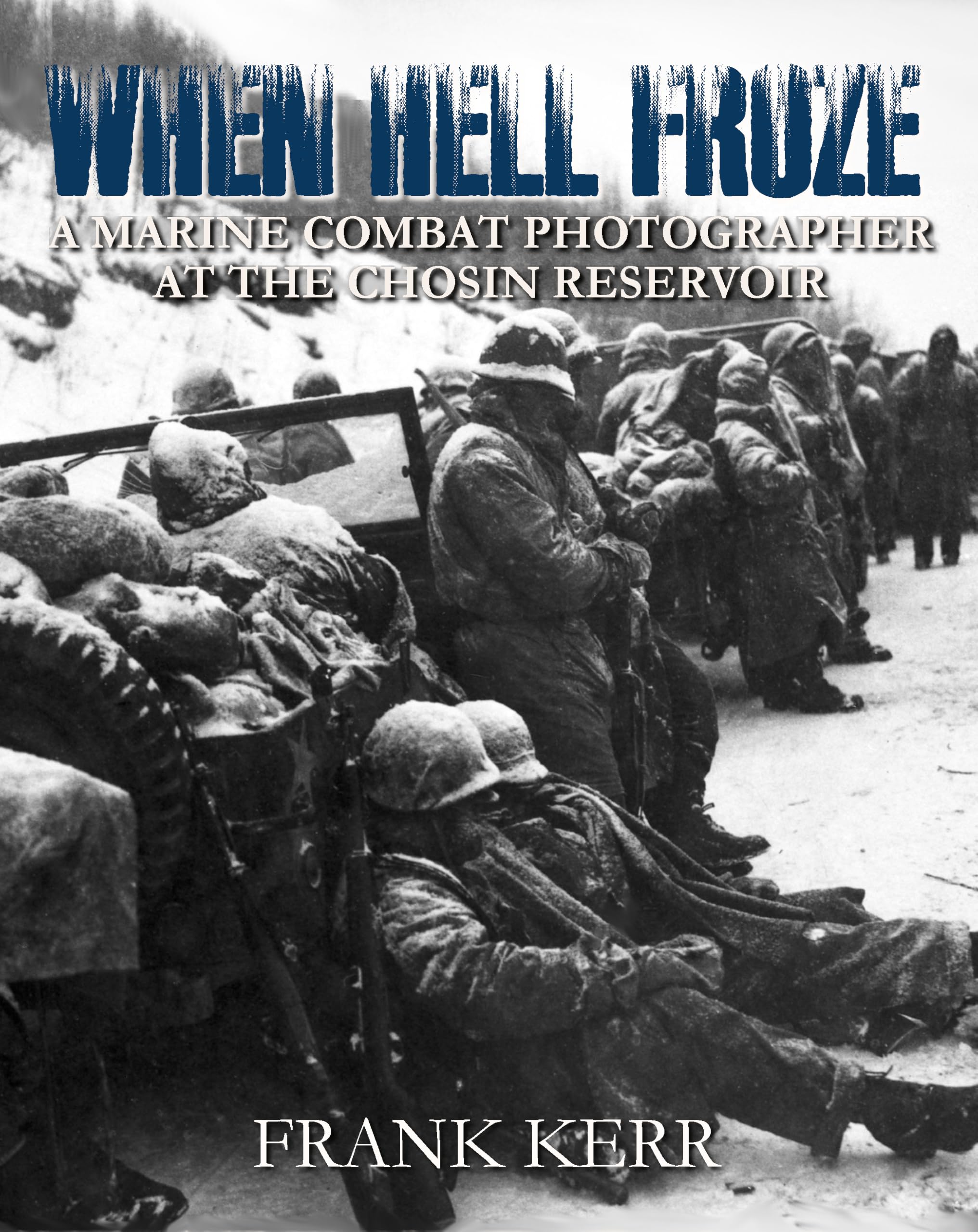
When Hell Froze: A Marine Combat Photographer at the Chosin Reservoir
by Frank Kerr
Sponsored
Synopsis
THE REMARKABLE STORY OF ONE OF HISTORY'S LEGENDARY BATTLES, TOLD THROUGH THE LENS OF THE MARINE WHO PHOTOGRAPHED IT.
Fought during the Korean War from November 27th to December 11th, 1950, the famed Battle of the Chosin Reservoir pitted 12 Chinese Divisions, over 120,000 men, against a vastly ...
Fought during the Korean War from November 27th to December 11th, 1950, the famed Battle of the Chosin Reservoir pitted 12 Chinese Divisions, over 120,000 men, against a vastly ...
THE REMARKABLE STORY OF ONE OF HISTORY'S LEGENDARY BATTLES, TOLD THROUGH THE LENS OF THE MARINE WHO PHOTOGRAPHED IT.
Fought during the Korean War from November 27th to December 11th, 1950, the famed Battle of the Chosin Reservoir pitted 12 Chinese Divisions, over 120,000 men, against a vastly outnumbered force of United Nations troops fighting for their lives in the cold and forbidding mountains of North Korea. On the 75th anniversary of that legendary engagement, former Marine SSgt. Frank Kerr shares his extraordinary experience as a young combat photographer chronicling one of the most savage and storied battles in United States military history.
This rare, first-hand account of the Chosin campaign features over one hundred combat photos by the author, commended as "the ablest military photographer of the Korean theater." by General Oliver P. Smith, former Commanding General of the U.S. 1st Marine Division. His wartime photography can be found in books, magazines, documentary films, and on the walls of the National Museum of the Marine Corps in Triangle, Virginia.
AN IMPORTANT NOTE ABOUT THIS EBOOK: Due to its image heavy content, the ebook version of When Hell Froze: A Marine Combat Photographer at the Chosin Reservoir is offered in a fixed-layout only, meaning its pages have been reduced in size to fit small screens and are not resizable. As a result, readers will likely be required to zoom in on their phones, tablets and other electronic devices for an improved reading and viewing experience.