
75
0
Support the library.
Your support helps keep books free for everyone ❤️
📍 Noticed
The Making of the American Mind: The Story of our Declaration of Independence
by Matthew Spalding
Sponsored
Synopsis
The Making of the American Mind is the story of the making and meaning of the Declaration, of how in the summer of 1776 a band of iron men from thirteen separate colonies banded together and declared independence from—and declared war against—the most powerful nation in the world. ...
The Making of the American Mind is the story of the making and meaning of the Declaration, of how in the summer of 1776 a band of iron men from thirteen separate colonies banded together and declared independence from—and declared war against—the most powerful nation in the world.
In following the historic events around them, and the great characters at its center—General Washington leading an army while John Adams pursues independence and a cautious John Dickinson seeks reconciliation—it places the Declaration in its immediate strategic and political context. By focusing on the drafting and editing of the Declaration—Thomas Jefferson called it “an expression of the American mind”—it explains how that mind, years if not decades in the making, came to be written down by Jefferson and expressed in the Declaration’s powerful words.
Rather than emphasizing one aspect or one person, as is usually the case, this work is a commentary on the Declaration as a whole, allowing its narrative, and its argument—about the Course of Human Events, self-evident truths, unalienable Rights, abuses and usurpations, sacred Honor—to unfold on its terms, as the Continental Congress intended in declaring independence. Abraham Lincoln said once that public opinion “always has a ‘central idea,’ from which all its minor thoughts radiate.” America’s central idea is the Declaration, and everything else radiates from that.
In following the historic events around them, and the great characters at its center—General Washington leading an army while John Adams pursues independence and a cautious John Dickinson seeks reconciliation—it places the Declaration in its immediate strategic and political context. By focusing on the drafting and editing of the Declaration—Thomas Jefferson called it “an expression of the American mind”—it explains how that mind, years if not decades in the making, came to be written down by Jefferson and expressed in the Declaration’s powerful words.
Rather than emphasizing one aspect or one person, as is usually the case, this work is a commentary on the Declaration as a whole, allowing its narrative, and its argument—about the Course of Human Events, self-evident truths, unalienable Rights, abuses and usurpations, sacred Honor—to unfold on its terms, as the Continental Congress intended in declaring independence. Abraham Lincoln said once that public opinion “always has a ‘central idea,’ from which all its minor thoughts radiate.” America’s central idea is the Declaration, and everything else radiates from that.
You May Also Like
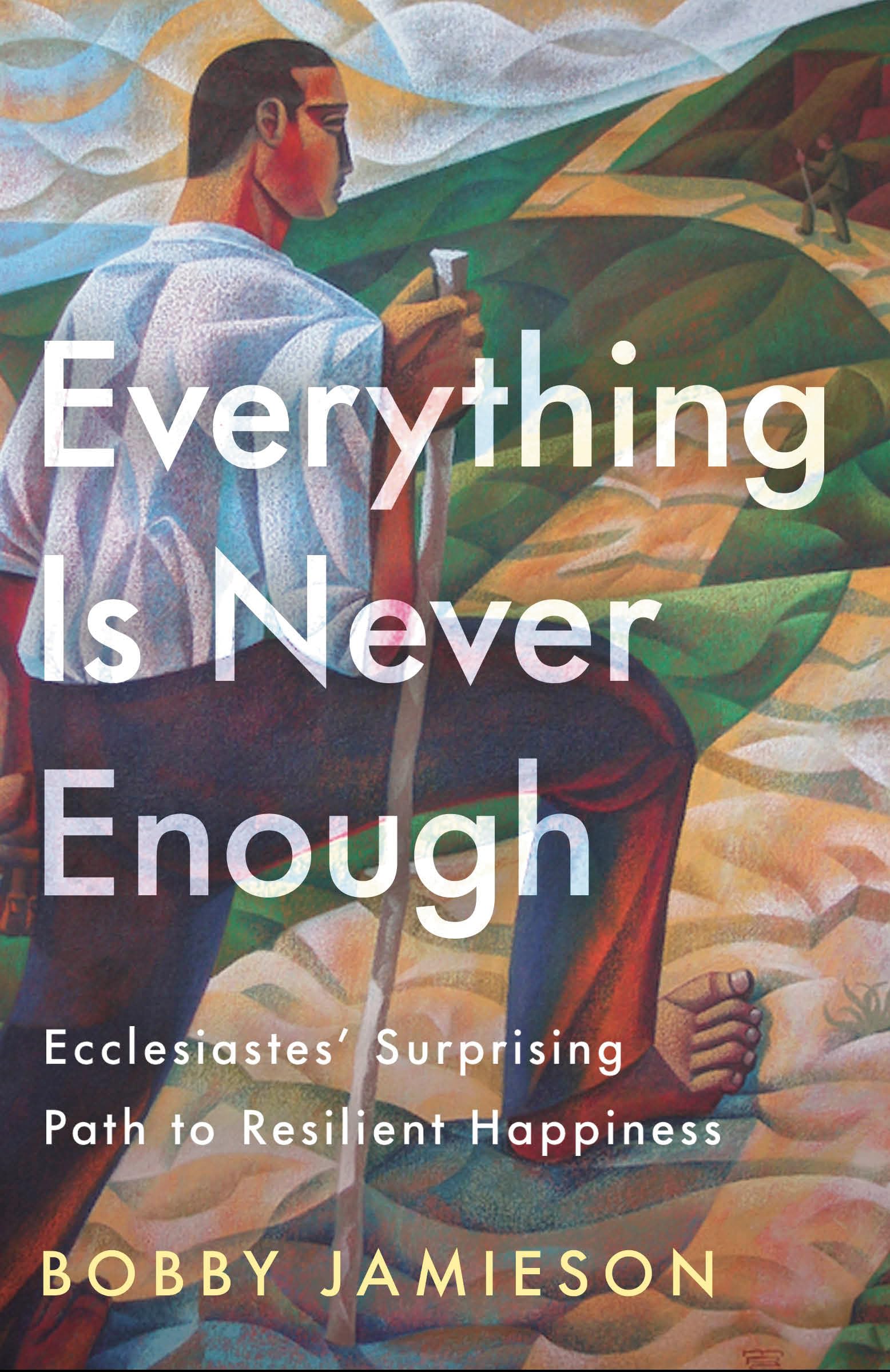
Everything Is Never Enough: Ecclesiastes' Surprising Path to Resilient Happiness
Bobby Jamieson

Strategic Culture Hacks: A Framework for Shaping Corporate Culture
Josef Herget

Tiger & Bunny, Vol. 1
Mizuki Sakakibara

The Sticky Situation (Geronimo Stilton #75)
Geronimo Stilton

The Killing Season: The Autumn of 1914, Ypres, and the Afternoon That Cost Germany a War
Robert Cowley

Zodiac Academy 4: Shadow Princess
Caroline Peckham


