0
0
Support the library.
Your support helps keep books free for everyone ❤️
📍 Noticed
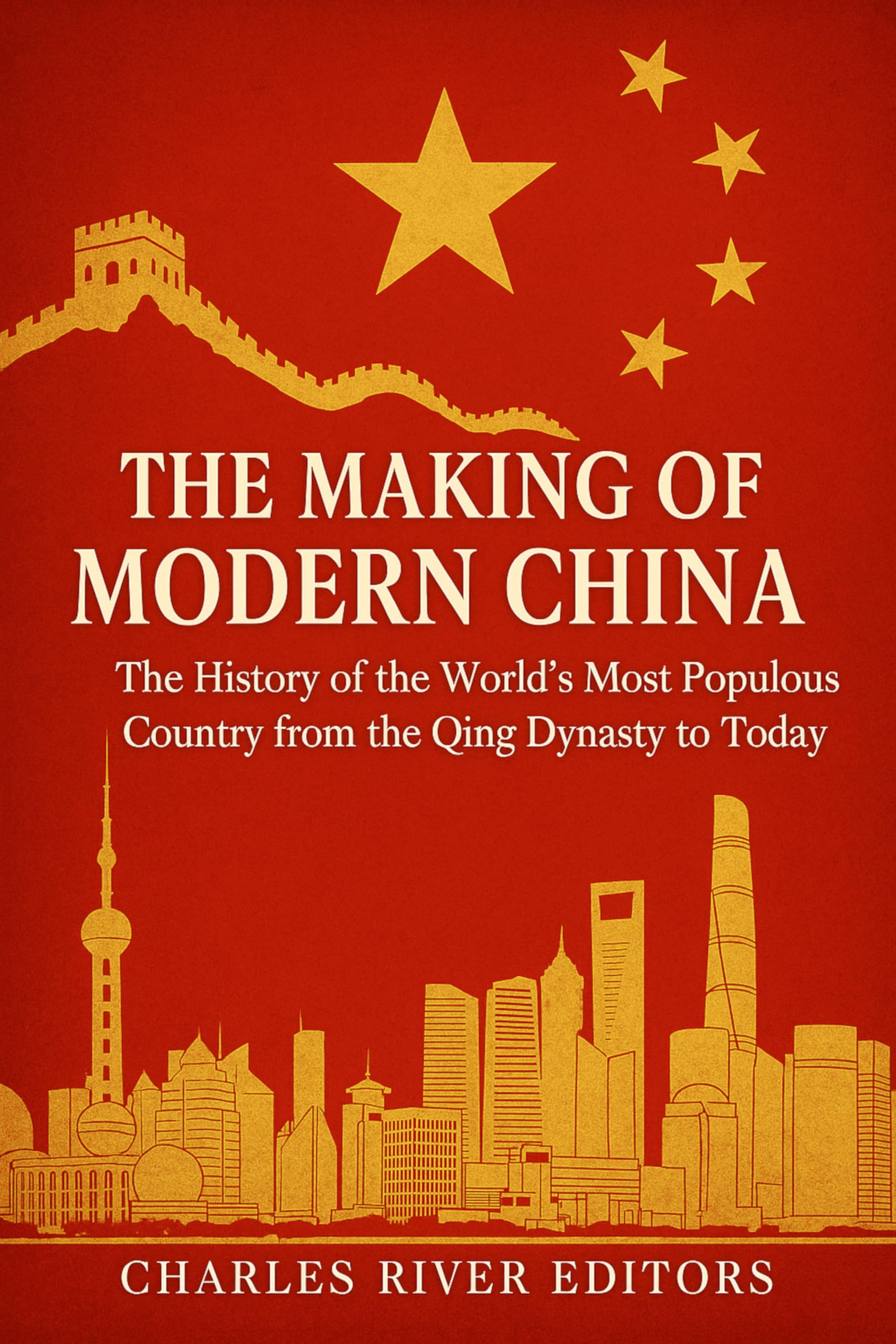
The Making of Modern China: The History of the World’s Most Populous Country from the Qing Dynasty to Today
by Charles River Editors
Sponsored
Synopsis
During the 15th century, China had become economically and technologically advanced compared to civilizations in Europe at the time, and its fleet, which had reached a total of 3,500 ships, was unmatched by any other world power. Nevertheless, after conducting several trade expeditions with the ...
During the 15th century, China had become economically and technologically advanced compared to civilizations in Europe at the time, and its fleet, which had reached a total of 3,500 ships, was unmatched by any other world power. Nevertheless, after conducting several trade expeditions with the massive fleet, the Chinese ships were either burned in the docks or left to rot. With that, China began to revert to the xenophobic policies of its past and reduce its presence in other lands. By 1525, the largest naval fleet in the world had essentially been destroyed or dismantled by China itself. While China was in the process of isolating itself from the rest of the world, the European explorers were beginning to discover new lands, such as North America and South America.
Unfortunately for China, the British had the might of an empire and economic force, not to mention modern arms, on their side. Breaking into China’s lucrative trade markets nearly destroyed the nation, severely discredited the Chinese dynasty, wreaked havoc on its people, and further propelled Britain’s empire into a dominant economic and military position. The collision of these two empires took many years and caused much bloodshed. In fact, the troubles started well before the eventual hostilities, festering as frustration mounted until finally boiling over. Such was the state of relations between the British Empire and Qing Dynasty for the better part of the century, its footing upended from the very start of relations.
For decades Korea existed as a protectorate of China, paying homage to the mighty Chinese dynasties while minding its own business as best it could. However, sensing weakness in the former regional power after being defeated by the Europeans during the Second Opium War, escalating tensions over Korea between the old power of China and the new power of Japan led to the First Sino-Japanese War. In its first modern war, the modernized Japanese empire went to war against the dominant power in the region, and though interested Western powers favored China, Japan won the day, claiming Korea as their conquest and permanently upsetting the balance of power in the region. The conflict paved the way for the future Empire of Japan and the collapse of the Qing Dynasty.
In 1937, the fledgling Empire of Japan once more went to war with China, which by then had become a nation broken into petty warlord fiefdoms and wracked by civil war. The Japanese enacted a brutal campaign over the fragmented realms that made up China, committing atrocities just as horrendous as their Axis allies in Europe. Despite this, the sheer size of China, coupled with Japan’s overextension, allowed the larger, less developed nation to endure throughout World War II.
At the same time, China was experiencing an equally brutal civil war between Nationalist and Communist forces, which became inextricably intertwined with the fighting raging across the globe. In fact, the sheer scale of the horrors of the civil war remain hard to believe today, even as action in that theater is often overlooked because of events in Europe. What most people remember about the civil war is that it was ultimately won by Mao Zedong and the Communists, ushering in a new era of Communism in China and exiling the Republic of China’s government to Taiwan. Political tensions between Taiwan and China remain precarious to this day.
Mao’s Communist revolution is still controversial, but it was his reign over China that has made him notorious, and in the West he is often considered one of history’s biggest tyrants. Mao’s revolution and his subsequent policies have been accused of causing millions of deaths, possibly more than the likes of Hitler and Stalin. It has been roughly estimated that Mao was responsible for the deaths of anywhere from 40-70 million, but he has plenty of defenders as well.