0
0
Support the library.
Your support helps keep books free for everyone ❤️
📍 Noticed
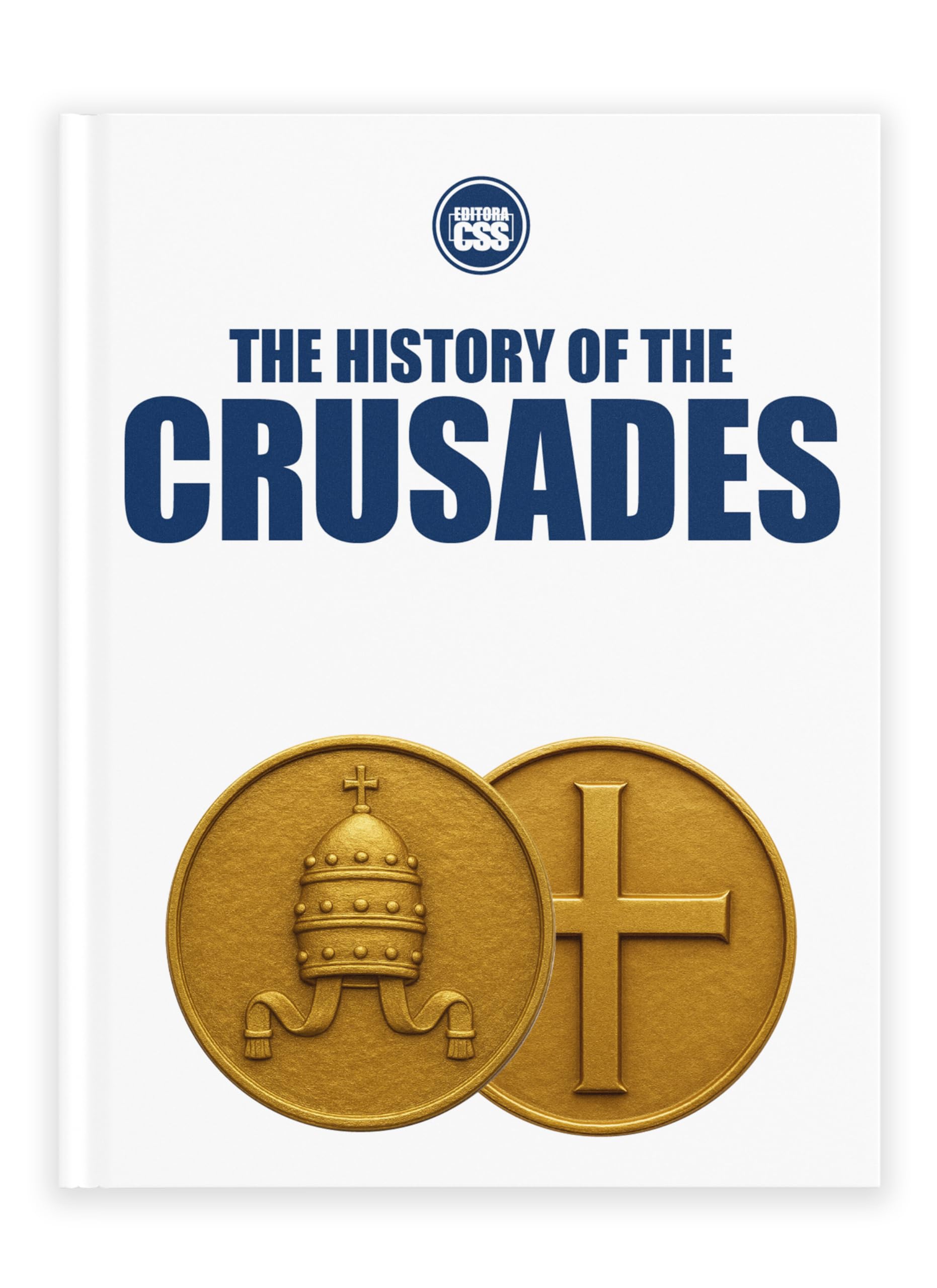
THE HISTORY OF THE CRUSADES - Holy War, Empire, and the Making of the Medieval World (THE HISTORY OF THE MEDIEVAL WORLD - Empire, Faith, War, and Power Book 2)
by CSS Editora Civis Studio Sapientia
Sponsored
Synopsis
📘 THE HISTORY OF THE CRUSADES
Holy War, Empire, and the Making of the Medieval World
⚔️ A grand, definitive narrative of the wars that reshaped continents, ideas, religions, and the very architecture of global history.
From the preaching of Pope Urban II in 1095 to the fall of Acre in 1291 ...
Holy War, Empire, and the Making of the Medieval World
⚔️ A grand, definitive narrative of the wars that reshaped continents, ideas, religions, and the very architecture of global history.
From the preaching of Pope Urban II in 1095 to the fall of Acre in 1291 ...
📘 THE HISTORY OF THE CRUSADES
Holy War, Empire, and the Making of the Medieval World
⚔️ A grand, definitive narrative of the wars that reshaped continents, ideas, religions, and the very architecture of global history.
From the preaching of Pope Urban II in 1095 to the fall of Acre in 1291 — and far beyond — the Crusades forged new worlds. They created kingdoms, toppled empires, opened trade routes, redirected the flow of knowledge, and imprinted themselves on the memory of civilizations. This sweeping work brings together faith, warfare, geopolitics, culture, and long-range consequences to reveal the Crusades not as isolated wars, but as a world-changing system of conflict and encounter that shaped the medieval and modern eras.
🌍 PART I – Origins of a Holy War
Enter the turbulent Mediterranean of the 11th century: pilgrimages, relics, and penitential theology; a Papacy seeking authority; Byzantium facing existential threats; the Seljuks, Fatimids, and the fractured Islamic world; and, finally, the electrifying Call of Clermont. This opening section shows how imagination, fear, devotion, and power converged to create the idea of Crusade.
⚔️ PART II – The Great Crusades: Conquest, Empire, and Collapse
Follow the dramatic arc of the major expeditions:
• The First Crusade and its improbable victories at Antioch and Jerusalem
• The Latin Kingdoms of Outremer and their fragile political ecology
• The rise of leaders such as Zengi and Saladin
• The catastrophic Hattin campaign
• The shocking diversion of the Fourth Crusade to Constantinople
• The last desperate efforts culminating in the fall of Acre (1291)
This section offers a cinematic yet scholarly journey through sieges, diplomacy, betrayals, and the forging of new states on foreign soil.
🌐 PART III – Beyond the Holy Land: Iberia, Baltic, Balkans, and Heresy
The Crusading movement spread far beyond Jerusalem. Here, you will explore:
• Iberia and the long Reconquista ending in 1492
• The Northern Crusades against Baltic pagans
• Teutonic expansion and the battle against Novgorod
• The Mongol invasion that shattered Europe’s East
• Internal crusades — from the Albigensian Crusade to political uses of crusading rhetoric
This part reveals how Crusade ideology became a global instrument of power, sanctity, and empire.
⛨ PART IV – Military Orders, Weapons, and the Machinery of War
Dive into the world of the Templars, Hospitallers, and Teutonic Knights — their rules, fortresses, and rivalries. Then explore the deeper fabric of medieval warfare: recruitment, siege technology, naval logistics, climate, disease, and the harsh realities of campaigning. This is the military-technical heart of the Crusading world.
✨ PART V – The Global Impact and Long Memory of the Crusades
The Crusades reshaped economics, culture, and the transmission of knowledge. Here you will discover:
• The spice and silk routes that redirected Mediterranean commerce
• The rise of Italian maritime empires
• Banking, credit, and the birth of early capitalism
• Cross-cultural exchanges in science, philosophy, architecture, and art
• The transformations of sacred geography and pilgrimage
• How Enlightenment thinkers rewrote the Crusades
• The Romantic medieval revival of the 19th century
• The political appropriation of Crusader imagery in the modern era
• The evolution of historiography from Runciman to contemporary scholars
This closing section reveals why the Crusades still matter — not as relics of the past, but as forces deeply woven into the narratives of East and West.
A monumental, deeply researched, and vividly written work!