
3
0
Support the library.
Your support helps keep books free for everyone ❤️
📍 Noticed
The Future Is Asian
by Parag Khanna
Sponsored
Synopsis
In the 19th century, the world was Europeanized. In the 20th century, it was Americanized. Now, in the 21st century, the world is being Asianized.The “Asian Century” is even bigger than you think. Far greater than just China, the new Asian system taking shape is a ...
In the 19th century, the world was Europeanized. In the 20th century, it was Americanized. Now, in the 21st century, the world is being Asianized.
The “Asian Century” is even bigger than you think. Far greater than just China, the new Asian system taking shape is a multi-civilizational order spanning Saudi Arabia to Japan, Russia to Australia, Turkey to Indonesia—linking five billion people through trade, finance, infrastructure, and diplomatic networks that together represent 40 percent of global GDP. China has taken a lead in building the new Silk Roads across Asia, but it will not lead it alone. Rather, Asia is rapidly returning to the centuries-old patterns of commerce, conflict, and cultural exchange that thrived long before European colonialism and American dominance. Asians will determine their own future—and as they collectively assert their interests around the world, they will determine ours as well.
There is no more important region of the world for us to better understand than Asia – and thus we cannot afford to keep getting Asia so wrong. Asia’s complexity has led to common misdiagnoses: Western thinking on Asia conflates the entire region with China, predicts imminent World War III around every corner, and regularly forecasts debt-driven collapse for the region’s major economies. But in reality, the region is experiencing a confident new wave of growth led by younger societies from India to the Philippines, nationalist leaders have put aside territorial disputes in favor of integration, and today’s infrastructure investments are the platform for the next generation of digital innovation.
If the nineteenth century featured the Europeanization of the world, and the twentieth century its Americanization, then the twenty-first century is the time of Asianization. From investment portfolios and trade wars to Hollywood movies and university admissions, no aspect of life is immune from Asianization. With America’s tech sector dependent on Asian talent and politicians praising Asia’s glittering cities and efficient governments, Asia is permanently in our nation’s consciousness. We know this will be the Asian century. Now we finally have an accurate picture of what it will look like.
The “Asian Century” is even bigger than you think. Far greater than just China, the new Asian system taking shape is a multi-civilizational order spanning Saudi Arabia to Japan, Russia to Australia, Turkey to Indonesia—linking five billion people through trade, finance, infrastructure, and diplomatic networks that together represent 40 percent of global GDP. China has taken a lead in building the new Silk Roads across Asia, but it will not lead it alone. Rather, Asia is rapidly returning to the centuries-old patterns of commerce, conflict, and cultural exchange that thrived long before European colonialism and American dominance. Asians will determine their own future—and as they collectively assert their interests around the world, they will determine ours as well.
There is no more important region of the world for us to better understand than Asia – and thus we cannot afford to keep getting Asia so wrong. Asia’s complexity has led to common misdiagnoses: Western thinking on Asia conflates the entire region with China, predicts imminent World War III around every corner, and regularly forecasts debt-driven collapse for the region’s major economies. But in reality, the region is experiencing a confident new wave of growth led by younger societies from India to the Philippines, nationalist leaders have put aside territorial disputes in favor of integration, and today’s infrastructure investments are the platform for the next generation of digital innovation.
If the nineteenth century featured the Europeanization of the world, and the twentieth century its Americanization, then the twenty-first century is the time of Asianization. From investment portfolios and trade wars to Hollywood movies and university admissions, no aspect of life is immune from Asianization. With America’s tech sector dependent on Asian talent and politicians praising Asia’s glittering cities and efficient governments, Asia is permanently in our nation’s consciousness. We know this will be the Asian century. Now we finally have an accurate picture of what it will look like.
You May Also Like

Say Everything: A Memoir
Ione Skye
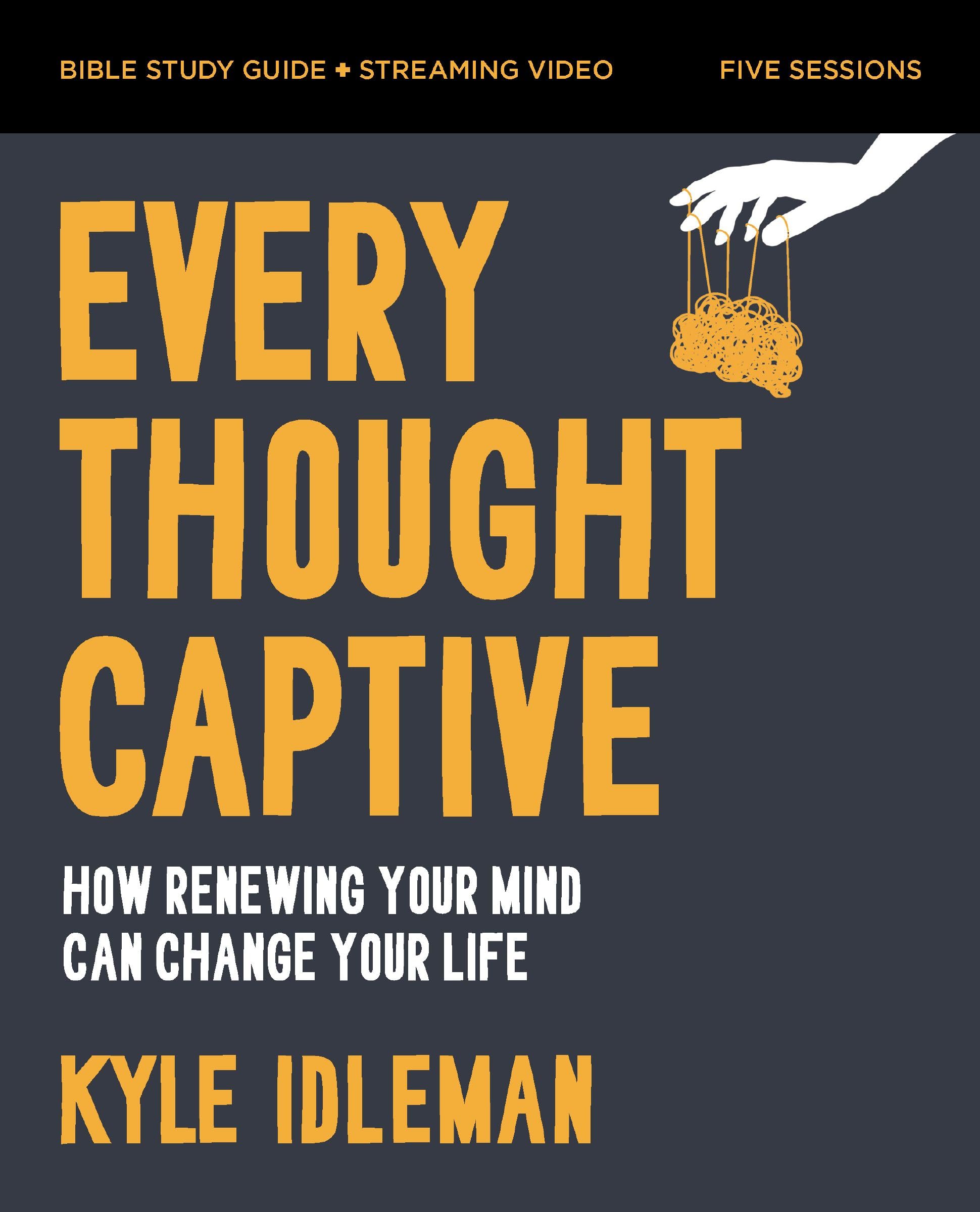
Every Thought Captive Bible Study Guide plus Streaming Video: How Renewing Your Mind Can Change Your Life
Kyle Idleman

Manifest That Ish : The Real-Life Guide to Becoming the You Who Wins
Donneshae Marrs

Robert Browning's Poetry
Robert Browning

Flavour: Eat What You Love
Ruby Tandoh

Heir to the Underworld (New Gods of Olympus, #1)
J.B. Dennis
Biography Picks
View All
King: A Life
Jonathan Eig

A Danger to the Minds of Young Girls: Margaret C. Anderson Book Bans and the Fight to Modernize Literature
Adam Morgan

This American Woman: A One-in-a-Billion Memoir
Zarna Garg

Neptune's Fortune: The Billion-Dollar Shipwreck and the Ghosts of the Spanish Empire
Julian Sancton

Reality Check: Making the Best of The Situation - How I Overcame Addiction Loss and Prison
Mike Sorrentino

Rok, w którym nie umarłem
Mikołaj Grynberg
