
8
0
Support the library.
Your support helps keep books free for everyone ❤️
📍 Noticed
The Birth of the Clinic: An Archaeology of Medical Perception
by Michel Foucault
Sponsored
Synopsis
Librarian note: an alternate cover for this edition can be found here.
In the eighteenth century, medicine underwent a mutation. For the first time, medical knowledge took on a precision that had ...
In the eighteenth century, medicine underwent a mutation. For the first time, medical knowledge took on a precision that had ...
Librarian note: an alternate cover for this edition can be found here.
In the eighteenth century, medicine underwent a mutation. For the first time, medical knowledge took on a precision that had formerly belonged only to mathematics. The body became something that could be mapped. Disease became subject to new rules of classification. And doctors begin to describe phenomena that for centuries had remained below the threshold of the visible and expressible.
In The Birth of the Clinic the philosopher and intellectual historian who may be the true heir to Nietzsche charts this dramatic transformation of medical knowledge. As in his classic Madness and Civilization, Michel Foucault shows how much what we think of as pure science owes to social and cultural attitudes — in this case, to the climate of the French Revolution. Brilliant, provocative, and omnivorously learned, his book sheds new light on the origins of our current notions of health and sickness, life and death.
In the eighteenth century, medicine underwent a mutation. For the first time, medical knowledge took on a precision that had formerly belonged only to mathematics. The body became something that could be mapped. Disease became subject to new rules of classification. And doctors begin to describe phenomena that for centuries had remained below the threshold of the visible and expressible.
In The Birth of the Clinic the philosopher and intellectual historian who may be the true heir to Nietzsche charts this dramatic transformation of medical knowledge. As in his classic Madness and Civilization, Michel Foucault shows how much what we think of as pure science owes to social and cultural attitudes — in this case, to the climate of the French Revolution. Brilliant, provocative, and omnivorously learned, his book sheds new light on the origins of our current notions of health and sickness, life and death.
You May Also Like

Fish Heads & Folktales
Peter M. Moran

The Best of Norman Rockwell
Norman Rockwell

All The Lovely Lies
Mary Kay Leatherman
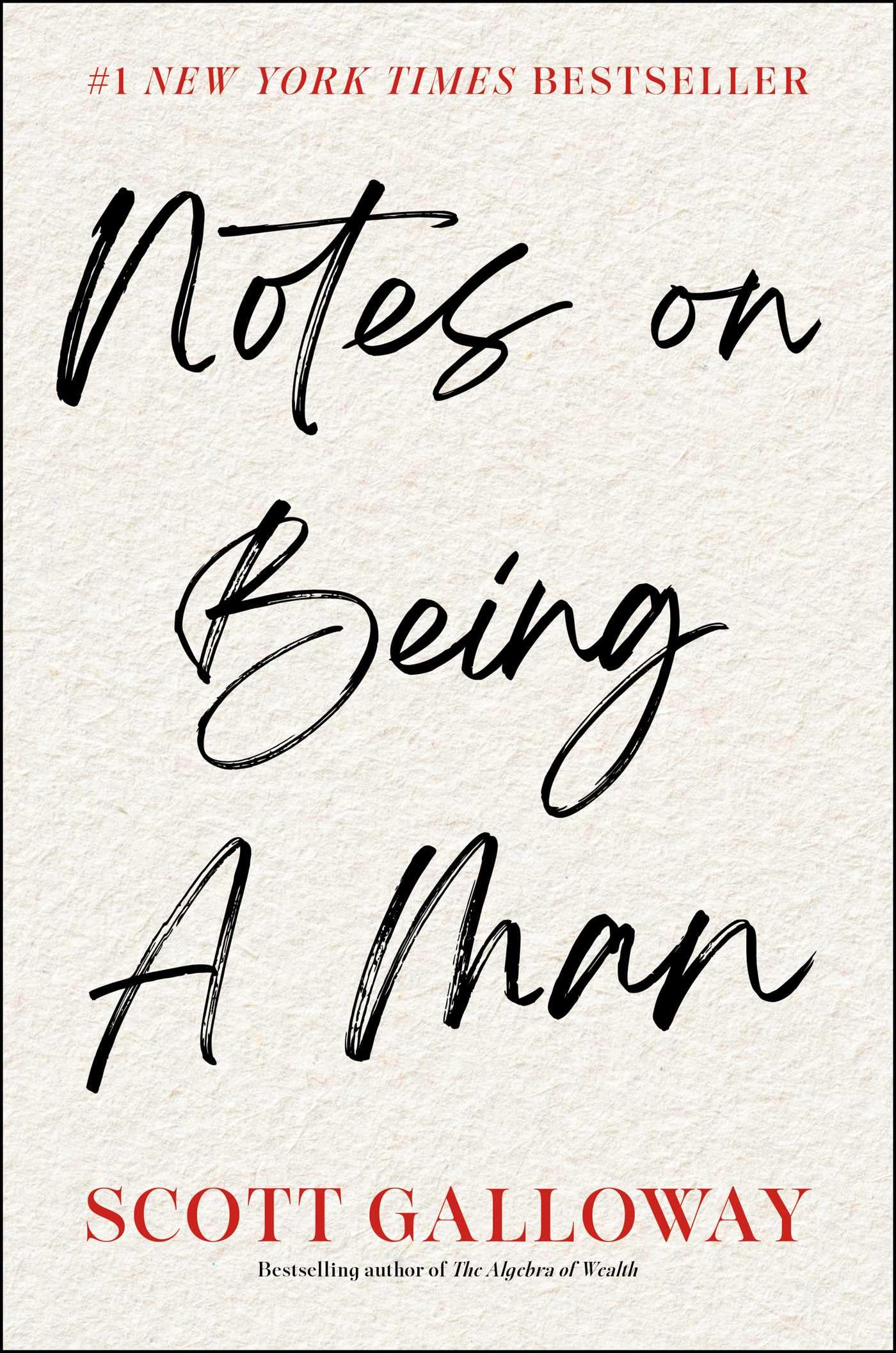
Notes on Being a Man
Scott Galloway

HBR's 10 Must Reads on Leadership (with featured article "What Makes an Effective Executive," by Peter F. Drucker)
Harvard Business Publishing

Planet of the Apes: Tales from the Forbidden Zone
Rich Handley
Psychology Picks
View All
The Book of Hope: A Survival Guide for Trying Times
Jane Goodall
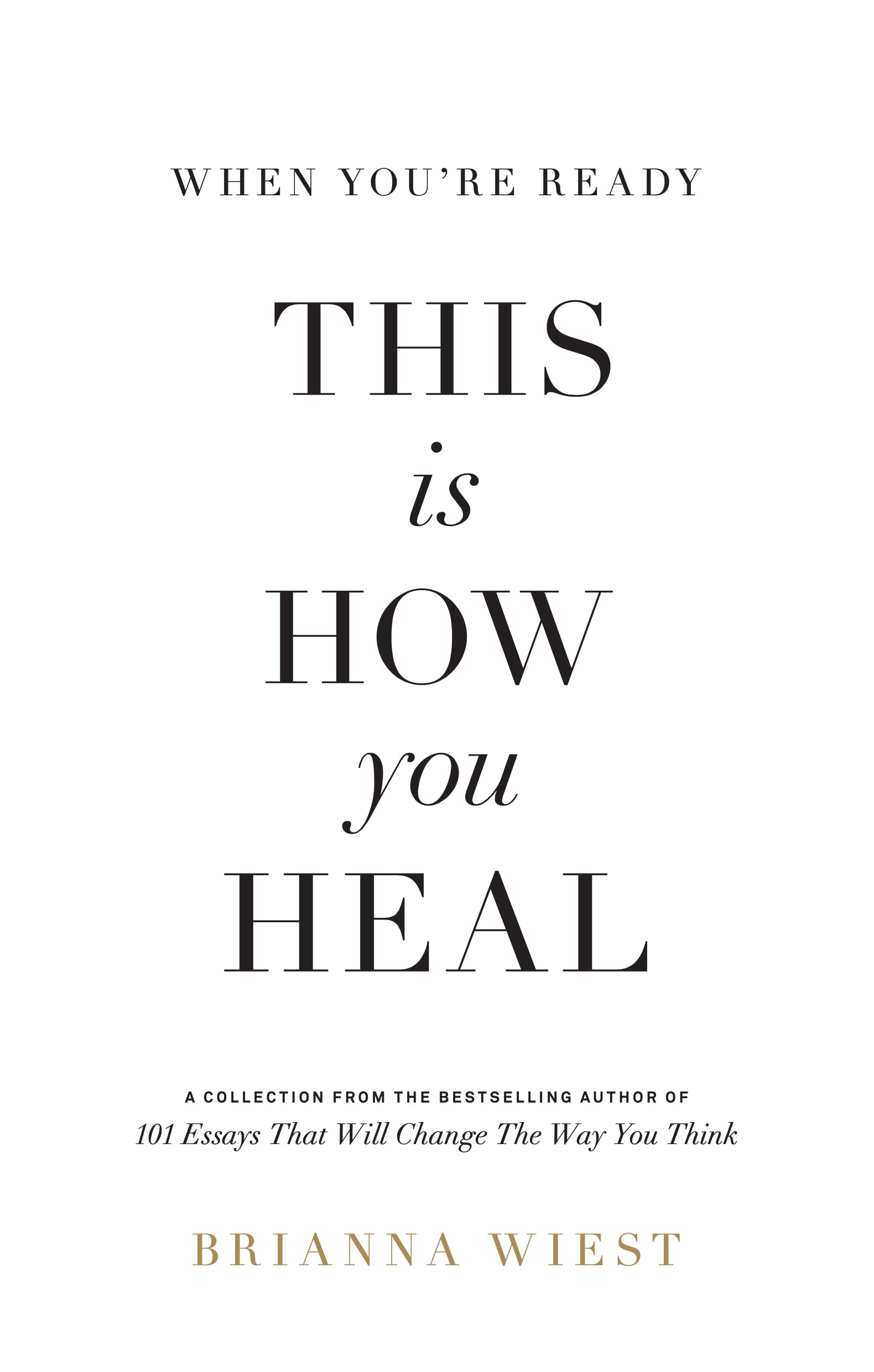
When You're Ready, This Is How You Heal
Brianna Wiest

The Body Keeps the Score: Brain, Mind, and Body in the Healing of Trauma
Bessel van der Kolk

The Score: How to Stop Playing Somebody Else's Game
C. Thi Nguyen
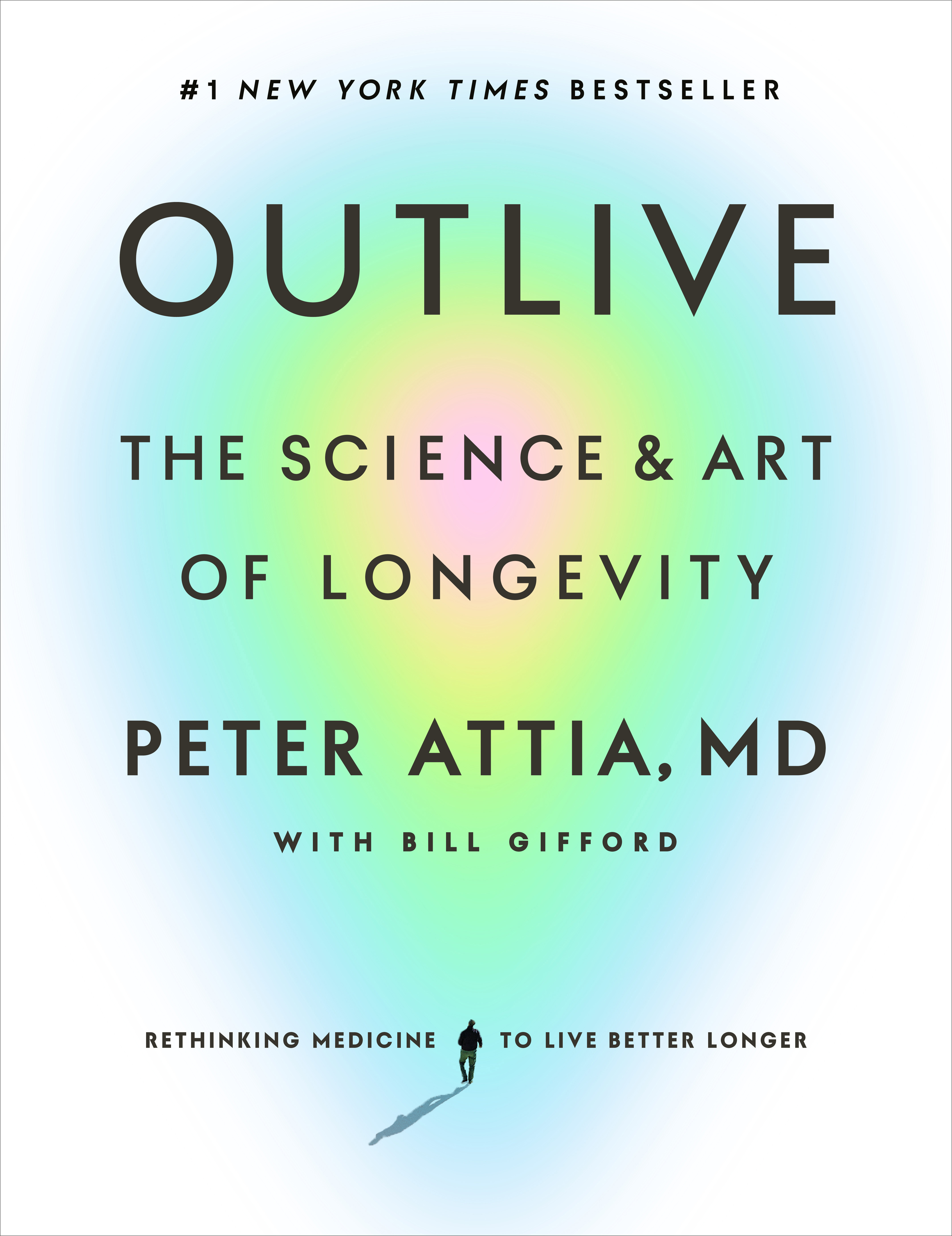
Outlive: The Science & Art of Longevity
Peter Attia

More or Less Maddy
Lisa Genova
