
25
0
Support the library.
Your support helps keep books free for everyone ❤️
📍 Noticed
Stay Alive: Berlin, 1939-1945
by Ian Buruma
Sponsored
Synopsis
An astonishing account of the human capacity for survival amid a great city’s descent into utter annihilationIn 1939, when Ian Buruma’s epic opens, Berlin has been under Nazi rule for six years, and its 4.3 million people have made their accommodations to the regime, more or ...
An astonishing account of the human capacity for survival amid a great city’s descent into utter annihilation
In 1939, when Ian Buruma’s epic opens, Berlin has been under Nazi rule for six years, and its 4.3 million people have made their accommodations to the regime, more or less. When war broke out with Poland in September, what was most striking at first was how little changed. Unless you were Jewish. Then life, already hard, was soon to get unfathomably worse.
Buruma gives tender attention to the Jewish experience in Berlin during the war, weaving its thread into the broader fabric of this marvelously rich and vivid mosaic of urban life. The distillation of a broad-gauged reckoning with a vast trove of primary sources, including a surprising number of interviews with living survivors, the book is a study in extremes—depravity and resilience, moral blindness and moral courage, pious bigotry and unchecked hedonism.
By 1943, with the German defeat at Stalingrad, ordinary life in Berlin would acquire an increasingly desperate cast. The last three years of the war in Berlin are truly a descent into hell, with a deranged regime in desperate free fall, an increasingly relentless pounding from Allied bombers, and the mounting dread of the approaching Soviet army. The common greeting of Berliners was now not “Auf wiedersehen” or “Heil Hitler” but “Bleiben Sie übrig”—“Stay alive.” And by war’s end Berlin’s population had fallen by almost half.
Among the people trying to stay alive in the city was Ian Buruma’s own father, a prisoner conscripted into forced labor in the war economy along with 400,000 other imported workers. Buruma gives due weight to his and their experiences, which give the book a special added dimension. This is a book full of tenderness and genuine heroism, but it is by no means again and again we see that most people do not do the hard thing most of the time. Most people go along. It’s a lesson that has not lost its timeliness.
In 1939, when Ian Buruma’s epic opens, Berlin has been under Nazi rule for six years, and its 4.3 million people have made their accommodations to the regime, more or less. When war broke out with Poland in September, what was most striking at first was how little changed. Unless you were Jewish. Then life, already hard, was soon to get unfathomably worse.
Buruma gives tender attention to the Jewish experience in Berlin during the war, weaving its thread into the broader fabric of this marvelously rich and vivid mosaic of urban life. The distillation of a broad-gauged reckoning with a vast trove of primary sources, including a surprising number of interviews with living survivors, the book is a study in extremes—depravity and resilience, moral blindness and moral courage, pious bigotry and unchecked hedonism.
By 1943, with the German defeat at Stalingrad, ordinary life in Berlin would acquire an increasingly desperate cast. The last three years of the war in Berlin are truly a descent into hell, with a deranged regime in desperate free fall, an increasingly relentless pounding from Allied bombers, and the mounting dread of the approaching Soviet army. The common greeting of Berliners was now not “Auf wiedersehen” or “Heil Hitler” but “Bleiben Sie übrig”—“Stay alive.” And by war’s end Berlin’s population had fallen by almost half.
Among the people trying to stay alive in the city was Ian Buruma’s own father, a prisoner conscripted into forced labor in the war economy along with 400,000 other imported workers. Buruma gives due weight to his and their experiences, which give the book a special added dimension. This is a book full of tenderness and genuine heroism, but it is by no means again and again we see that most people do not do the hard thing most of the time. Most people go along. It’s a lesson that has not lost its timeliness.
You May Also Like

Unfettered III: New Tales By Masters of Fantasy (Unfettered, #3)
Shawn Speakman

The Christmas Cookie Wars
Eliza Evans

Looking Awry: An Introduction to Jacques Lacan through Popular Culture
Slavoj Žižek

Lightlark Saga: The Ultimate Collection (Lightlark Saga Books 1-3) (The Lightlark Saga)
Alex Aster

Contemporary Patchwork: Techniques in Colour, Surface Design & Sewing
Arounna Khounnoraj

A Beast Slinks Towards Beijing
Alice Evelyn Yang
Religion Picks
View All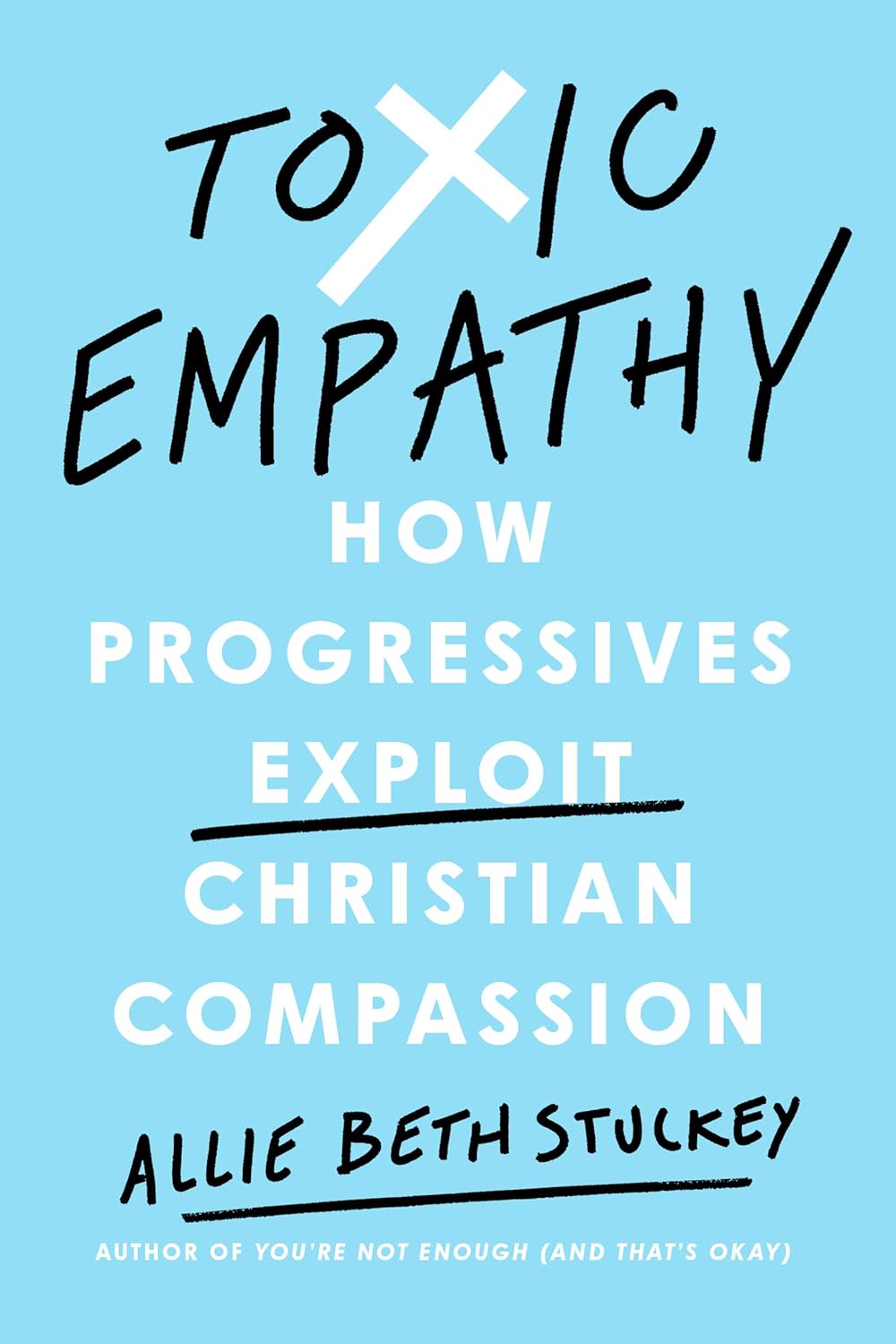
Toxic Empathy: How Progressives Exploit Christian Compassion
Allie Beth Stuckey

Find Your People: Building Deep Community in a Lonely World
Jennie Allen
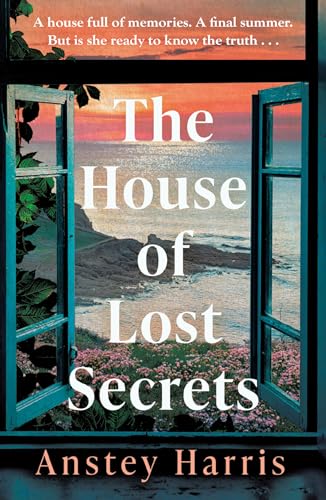
The House of Lost Secrets
Anstey Harris

The Conjuring of America: Mojos, Mermaids, Medicine, and 400 Years of Black Women’s Magic
Lindsey Stewart

Murder Before Evensong
Richard Coles

These Impossible Things
Salma El-Wardany
