1
0
Support the library.
Your support helps keep books free for everyone ❤️
📍 Noticed
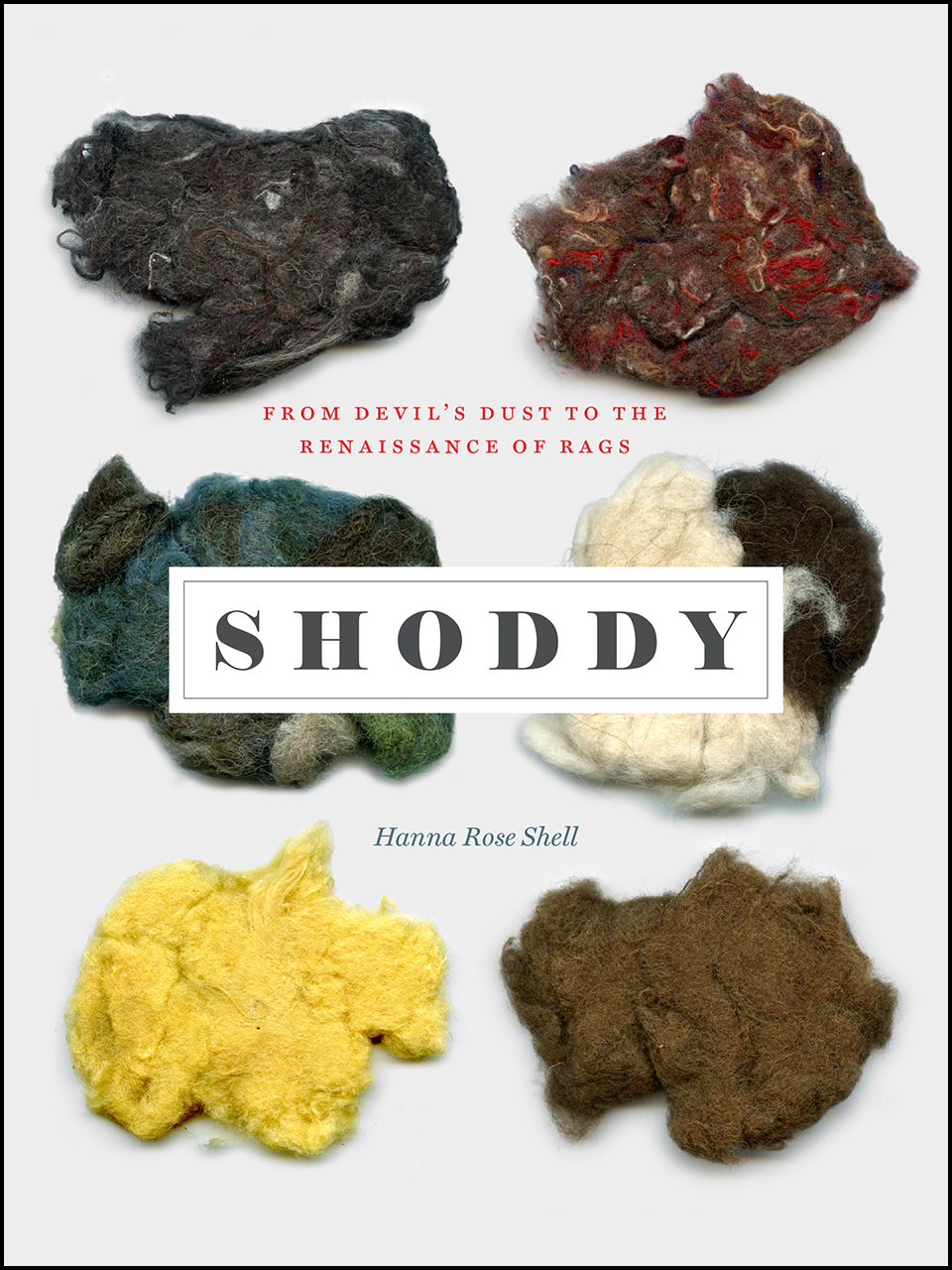
Shoddy: From Devil’s Dust to the Renaissance of Rags
by Hanna Rose Shell
Sponsored
Synopsis
The history of modern-day old clothes recycling begins with a thing called shoddy. Starting in the early 1800s, shoddy was the name given to a new material made from reclaimed wool, and to one of the earliest forms of industrial recycling. Old rags and leftover fabric clippings were ...
The history of modern-day old clothes recycling begins with a thing called shoddy. Starting in the early 1800s, shoddy was the name given to a new material made from reclaimed wool, and to one of the earliest forms of industrial recycling. Old rags and leftover fabric clippings were ground to bits by a machine known as “the devil” and then re-used. Usually undisclosed, shoddy–also known as reworked wool–became suit jackets, army blankets, mattress stuffing, and much more. Shoddy is the afterlife of rags. And Shoddy, the book, reveals hidden worlds of textile intrigue.
In Shoddy: From Devil’s Dust to the Renaissance of Rags, Hanna Rose Shell takes readers on a journey to discover shoddy, from Haiti to the “shoddy towns” of West Yorkshire in England, to the United States, back in time to the British cholera epidemics and the American Civil War, and into agricultural fields, textile labs, and rag-shredding factories. Shell’s narrative is both literary and historical, drawing on an extraordinary range of sources, from court cases to military uniforms, mattress labels to medical textbooks, political cartoons to high art. Shoddy moves between genres, bringing richly drawn characters and unexpected objects to life. Along the way, shoddy becomes equally an evocative object and a portal into another world.
Almost since the time it first appeared, shoddy was both ubiquitous and controversial. In part because it was often so hard to detect, it was inherently suspicious. Public health experts worried about sanitation and disease—how could old clothes be disinfected? As well, the idea of wearing someone else’s old clothes so close to your own skin was discomforting in and of itself. Could you sleep peacefully knowing that your mattress was very likely to be stuffed with dead soldiers’ overcoats? The use of the term “virgin” wool, the idea of virginity in relation to clothes, in fact emerged as an effort by the wool industry to counter shoddy’s appeal: to make shoddy seem shoddy. Over time, shoddy would capture a host of personal, ethical, commercial, and societal failings. And yet, there was always, within shoddy, the alluring concept of regeneration, of what we today think of as conscious clothing, eco-fashion, sustainable textiles.
Shell exposes an interwoven tale of industrial espionage, political infighting, scientific inquiry, ethnic prejudices, and war profiteering. Discarded clothes may make many journeys over the course of several lifetimes. Not only in your garments, but under your rug, in your mattress pads, piano blankets, in the peculiar confetti-like stuffing in your mailing envelopes, even in the insulation in your walls. Though it began with wool, over the past century the shredding “devil” has turned to synthetics from nylon stockings to Kevlar. Shoddy is likely connected to something you are wearing right now. After reading, you will never use the word shoddy or think about your clothes, the environment, sustainability, or the intermingled world around you the same way again.
In Shoddy: From Devil’s Dust to the Renaissance of Rags, Hanna Rose Shell takes readers on a journey to discover shoddy, from Haiti to the “shoddy towns” of West Yorkshire in England, to the United States, back in time to the British cholera epidemics and the American Civil War, and into agricultural fields, textile labs, and rag-shredding factories. Shell’s narrative is both literary and historical, drawing on an extraordinary range of sources, from court cases to military uniforms, mattress labels to medical textbooks, political cartoons to high art. Shoddy moves between genres, bringing richly drawn characters and unexpected objects to life. Along the way, shoddy becomes equally an evocative object and a portal into another world.
Almost since the time it first appeared, shoddy was both ubiquitous and controversial. In part because it was often so hard to detect, it was inherently suspicious. Public health experts worried about sanitation and disease—how could old clothes be disinfected? As well, the idea of wearing someone else’s old clothes so close to your own skin was discomforting in and of itself. Could you sleep peacefully knowing that your mattress was very likely to be stuffed with dead soldiers’ overcoats? The use of the term “virgin” wool, the idea of virginity in relation to clothes, in fact emerged as an effort by the wool industry to counter shoddy’s appeal: to make shoddy seem shoddy. Over time, shoddy would capture a host of personal, ethical, commercial, and societal failings. And yet, there was always, within shoddy, the alluring concept of regeneration, of what we today think of as conscious clothing, eco-fashion, sustainable textiles.
Shell exposes an interwoven tale of industrial espionage, political infighting, scientific inquiry, ethnic prejudices, and war profiteering. Discarded clothes may make many journeys over the course of several lifetimes. Not only in your garments, but under your rug, in your mattress pads, piano blankets, in the peculiar confetti-like stuffing in your mailing envelopes, even in the insulation in your walls. Though it began with wool, over the past century the shredding “devil” has turned to synthetics from nylon stockings to Kevlar. Shoddy is likely connected to something you are wearing right now. After reading, you will never use the word shoddy or think about your clothes, the environment, sustainability, or the intermingled world around you the same way again.
You May Also Like

The Night We Fell
E.M. Lindsey

399 Games, Puzzles & Trivia Challenges Specially Designed to Keep Your Brain Young.
Nancy Linde
Economics Now: Analyzing Current Issues
Angelo Bolotta, Charles Hawkes, Rick Mahoney, John Piper
Total Tech Takeover: What everyone must know and do about AI before it’s too late
Mark J

Billion Dollar Painter: The Triumph and Tragedy of Thomas Kinkade, Painter of Light
G. Eric Kuskey

The Death of Trotsky: The True Story of the Plot to Kill Stalin's Greatest Enemy
Josh Ireland
Cookbooks Picks
View All
Bite by Bite: Nourishments and Jamborees
Aimee Nezhukumatathil

Enough Already: Learning to Love the Way I Am Today
Valerie Bertinelli

Food to Die For: Recipes and Stories from America's Most Legendary Haunted Places
Amy Bruni
Keep It Simple, Y'all: Easy Dinners from Your Barefoot Neighbor: A Cookbook
Matthew Bounds

Peculiar Baking: A Practical Guide to Strange Confections
Nikk Alcaraz

Baking Yesteryear: The Best Recipes from the 1900s to the 1980s
B. Dylan Hollis
