3
0
📍 Noticed
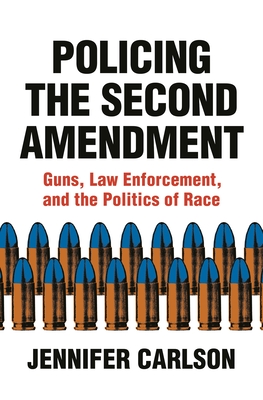
Policing the Second Amendment: Guns, Law Enforcement, and the Politics of Race
by Jennifer Carlson
Sponsored
Synopsis
An urgent look at the relationship between guns, the police, and raceThe United States is steeped in guns, gun violence—and gun debates. As arguments rage on, one issue has largely been overlooked—Americans who support gun control turn to the police as enforcers of their ...
An urgent look at the relationship between guns, the police, and race
The United States is steeped in guns, gun violence—and gun debates. As arguments rage on, one issue has largely been overlooked—Americans who support gun control turn to the police as enforcers of their preferred policies, but the police themselves disproportionately support gun rights over gun control. Yet who do the police believe should get gun access? When do they pursue aggressive enforcement of gun laws? And what part does race play in all of this? Policing the Second Amendment unravels the complex relationship between the police, gun violence, and race. Rethinking the terms of the gun debate, Jennifer Carlson shows how the politics of guns cannot be understood—or changed—without considering how the racial politics of crime affect police attitudes about guns.
Drawing on local and national newspapers, interviews with close to eighty police chiefs, and a rare look at gun licensing processes, Carlson explores the ways police talk about guns, and how firearms are regulated in different parts of the country. Examining how organizations such as the National Rifle Association have influenced police perspectives, she describes a troubling paradox of guns today—while color-blind laws grant civilians unprecedented rights to own, carry, and use guns, people of color face an all-too-visible system of gun criminalization. This racialized framework—undergirding who is “a good guy with a gun” versus “a bad guy with a gun”—informs and justifies how police understand and pursue public safety.
Policing the Second Amendment demonstrates that the terrain of gun politics must be reevaluated if there is to be any hope of mitigating further tragedies.
The United States is steeped in guns, gun violence—and gun debates. As arguments rage on, one issue has largely been overlooked—Americans who support gun control turn to the police as enforcers of their preferred policies, but the police themselves disproportionately support gun rights over gun control. Yet who do the police believe should get gun access? When do they pursue aggressive enforcement of gun laws? And what part does race play in all of this? Policing the Second Amendment unravels the complex relationship between the police, gun violence, and race. Rethinking the terms of the gun debate, Jennifer Carlson shows how the politics of guns cannot be understood—or changed—without considering how the racial politics of crime affect police attitudes about guns.
Drawing on local and national newspapers, interviews with close to eighty police chiefs, and a rare look at gun licensing processes, Carlson explores the ways police talk about guns, and how firearms are regulated in different parts of the country. Examining how organizations such as the National Rifle Association have influenced police perspectives, she describes a troubling paradox of guns today—while color-blind laws grant civilians unprecedented rights to own, carry, and use guns, people of color face an all-too-visible system of gun criminalization. This racialized framework—undergirding who is “a good guy with a gun” versus “a bad guy with a gun”—informs and justifies how police understand and pursue public safety.
Policing the Second Amendment demonstrates that the terrain of gun politics must be reevaluated if there is to be any hope of mitigating further tragedies.
You May Also Like

Still Into You
Erin Connor

Ranger
Onley James

A Beautiful Constraint: How To Transform Your Limitations Into Advantages, and Why It's Everyone's Business
Adam Morgan
Native American Medicinal Plants: An Ethnobotanical Dictionary
Daniel E. Moerman
The Captive Part II / The Power
L.J. Smith

Growing Pains: The Autobiography of Emily Carr
Emily Carr


