1
0
Support the library.
Your support helps keep books free for everyone ❤️
📍 Noticed
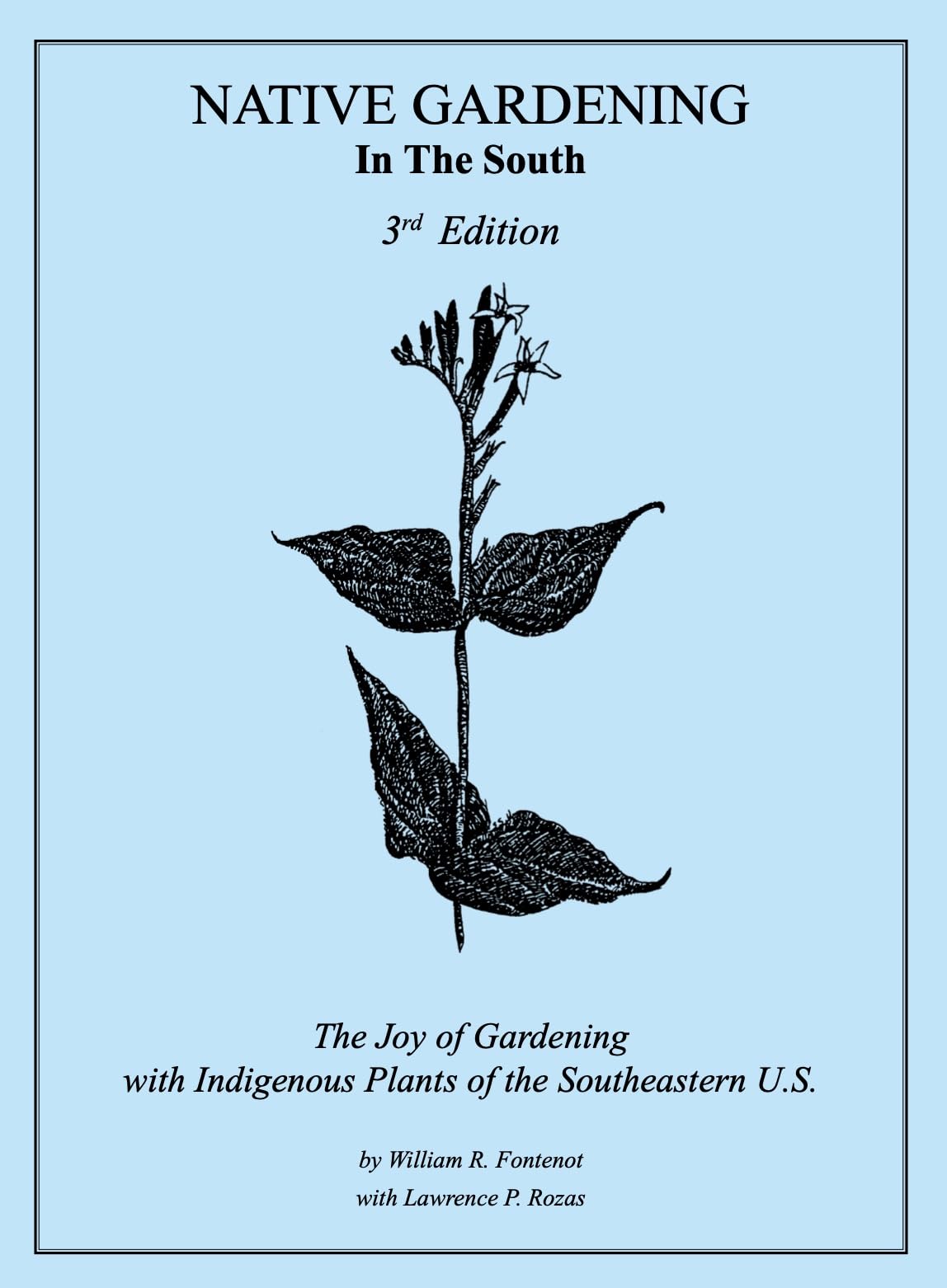
Native Gardening In The South: The Joy of Gardening with Indigenous Plants in the Southeastern U.S.
by William Fontenot
Sponsored
Synopsis
They say “Third time’s a charm”, and I do hope that is the case with this third edition of Native
Gardening in the South. So many new discoveries and game-changing events have occurred since
this book first came out in 1992, and I really felt compelled to produce a 3rd Edition based on ...
Gardening in the South. So many new discoveries and game-changing events have occurred since
this book first came out in 1992, and I really felt compelled to produce a 3rd Edition based on ...
They say “Third time’s a charm”, and I do hope that is the case with this third edition of Native
Gardening in the South. So many new discoveries and game-changing events have occurred since
this book first came out in 1992, and I really felt compelled to produce a 3rd Edition based on this
fact alone. I also wanted to do a more thorough job of presenting the information. I’m not exactly
sure of the number of plant species treated in this edition, but I’d guess it’s somewhere north of
500 -- substantially more than the 1st Edition’s 160. In fact, every part of this 3rd Edition has been
heavily beefed up.
Here we are 19 years after the publication of the 2nd Edition of this book, and so much has changed
in such a short time. Foremost has been the resurgence of interest in gardening with indigenous
plants, wrought almost single-handedly by University of Delaware entomology professor Doug
Tallamy and the publication of his two native-gardening-based books, Bringing Nature Home
(2007) followed by Nature’s Best Hope (2020). Both of these books were based on experimental
results that revealed the tight mutual connections and survival strategies existing between native
plants and wildlife – both of which are presently declining as humanity continues to look after its
own interests. So, Doug and his students are now proving what longtime native plant and wildlife
advocates have been speculating for many years prior. This speculation about the importance of
native plants began in the southeastern U.S. with Caroline Dormon and Elizabeth Lawrence in the
early twentieth century, and continued on in drips and drabs into the beginning of the twenty-first
century.
In my own life, this constitutes the Third Wave of native gardening interest here in eastern North
America. And now with the aid of the digital revolution and social media, certainly the biggest
wave. Today, people are actually planting wild plants all over the place, as opposed to merely
appreciating them and learning about them in their wild habitats, and merely looking on from the
sidelines at the tiny percentage of those who were growing, designing, and planting wild plants.
Today, it looks like we’ve finally got some traction.
You May Also Like

Look Again
Lisa Scottoline
A Burning
Megha Majumdar

Young Athletes in the Zone: How to Unlock Your 5 Core Character Superpowers in Just 2 Days to Build Elite-Level Mental Toughness (The Mental Toughness Playbook)
Emmanuel Drake

Amor y Cohetes
Jaime Gilbert Mari Hernandez

The Virtue of Selfishness: A New Concept of Egoism
Ayn Rand

The Crucible
Arthur Miller
Psychology Picks
View All
Endure: How to Work Hard, Outlast, and Keep Hammering
Cameron R. Hanes

Stop Overthinking: 23 Techniques to Relieve Stress, Stop Negative Spirals, Declutter Your Mind, and Focus on the Present
Nick Trenton

The Sirens' Call: How Attention Became the World's Most Endangered Resource
Christopher L. Hayes

Dopamine Detox : A Short Guide to Remove Distractions and Train Your Brain to Do Hard Things
Thibaut Meurisse

The Body Keeps the Score: Brain, Mind, and Body in the Healing of Trauma
Bessel van der Kolk

Outlive: The Science & Art of Longevity
Peter Attia
