4
0
Support the library.
Your support helps keep books free for everyone ❤️
📍 Noticed
Mistakes Were Made (But Not by Me): Why We Justify Foolish Beliefs, Bad Decisions, and Hurtful Acts
by Carol Tavris
Sponsored
Synopsis
Renowned social psychologists Carol Tavris and Elliot Aronson take a compelling look into how the brain is wired for self-justification.
Why is it so hard to say “I made a mistake”—and really believe it?
When we make mistakes, cling to outdated attitudes, or mistreat ...
Why is it so hard to say “I made a mistake”—and really believe it?
When we make mistakes, cling to outdated attitudes, or mistreat ...
Renowned social psychologists Carol Tavris and Elliot Aronson take a compelling look into how the brain is wired for self-justification.
Why is it so hard to say “I made a mistake”—and really believe it?
When we make mistakes, cling to outdated attitudes, or mistreat other people, we must calm the cognitive dissonance that jars our feelings of self-worth. And so, unconsciously, we create fictions that absolve us of responsibility, restoring our belief that we are smart, moral, and right—a belief that often keeps us on a course that is dumb, immoral, and wrong. Backed by years of research, Mistakes Were Made (But Not by Me) offers a fascinating explanation of self-justification—how it works, the damage it can cause, and how we can overcome it.
This updated edition concludes with an extended discussion of how we can live with dissonance; learn from it; and perhaps, eventually, forgive ourselves.
Why is it so hard to say “I made a mistake”—and really believe it?
When we make mistakes, cling to outdated attitudes, or mistreat other people, we must calm the cognitive dissonance that jars our feelings of self-worth. And so, unconsciously, we create fictions that absolve us of responsibility, restoring our belief that we are smart, moral, and right—a belief that often keeps us on a course that is dumb, immoral, and wrong. Backed by years of research, Mistakes Were Made (But Not by Me) offers a fascinating explanation of self-justification—how it works, the damage it can cause, and how we can overcome it.
This updated edition concludes with an extended discussion of how we can live with dissonance; learn from it; and perhaps, eventually, forgive ourselves.
You May Also Like

A Loser by Christmas (Con Riley's Christmas Collection)
Con Riley
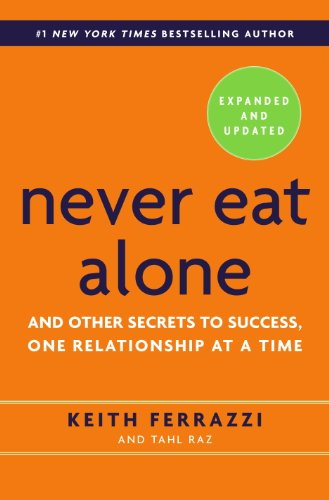
Never Eat Alone, Expanded and Updated: And Other Secrets to Success, One Relationship at a Time
Keith Ferrazzi

Scary Close: Dropping the Act and Finding True Intimacy
Donald Miller
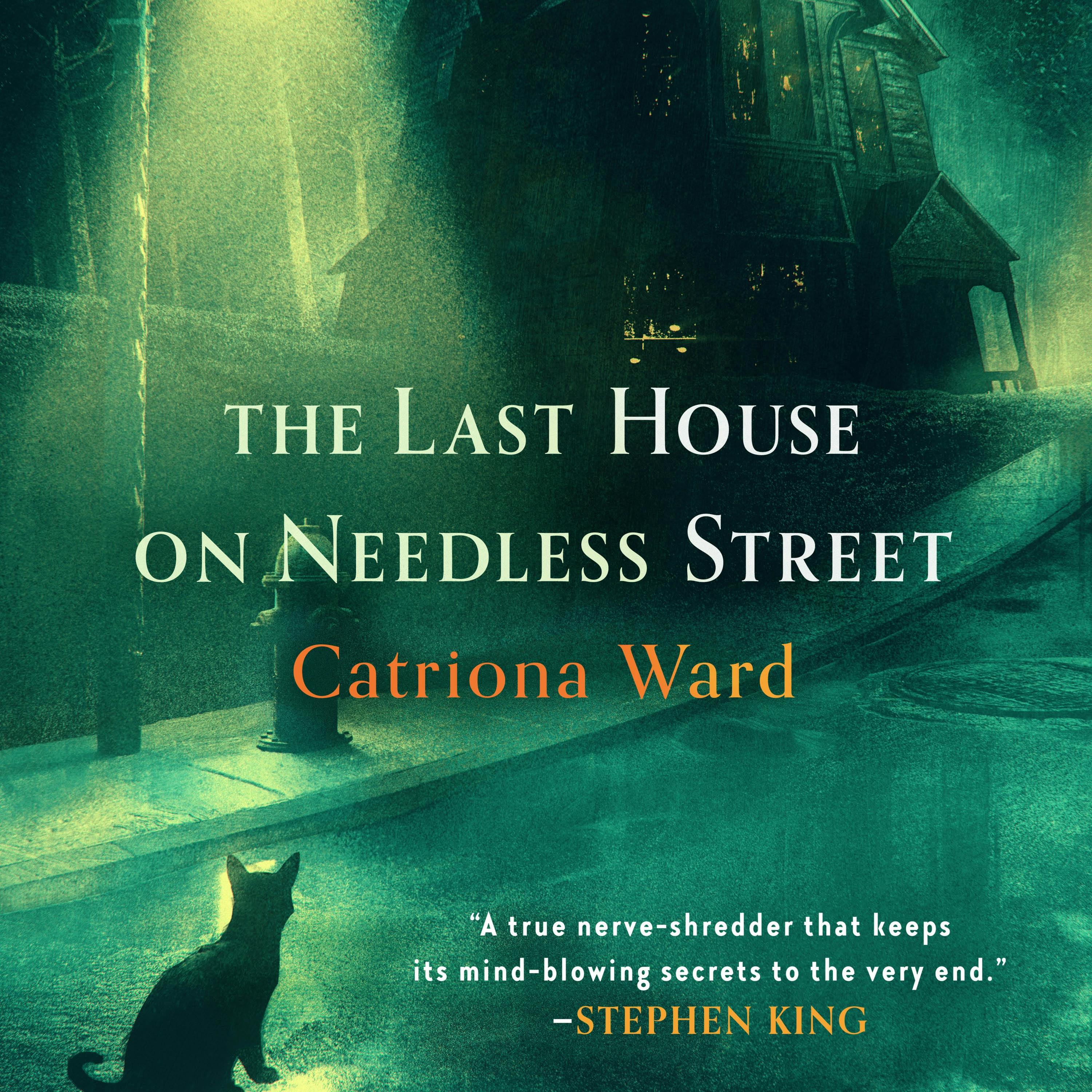
The Last House on Needless Street
Catriona Ward

Most Requested Copycat Dishes: 101 Homemade Versions of Your Favorite Restaurant Recipes
Favorite Family Recipes

A Lie for a Lie
Ren DeStefano