
2
0
Support the library.
Your support helps keep books free for everyone ❤️
📍 Noticed
Into Thin Air
by Jon Krakauer
Sponsored
Synopsis
A bank of clouds was assembling on the not-so-distant horizon, but journalist-mountaineer Jon Krakauer, standing on the summit of Mt. Everest, saw nothing that "suggested that a murderous storm was bearing down." He was wrong. The storm, which claimed five lives and left countless more--including ...
A bank of clouds was assembling on the not-so-distant horizon, but journalist-mountaineer Jon Krakauer, standing on the summit of Mt. Everest, saw nothing that "suggested that a murderous storm was bearing down." He was wrong. The storm, which claimed five lives and left countless more--including Krakauer's--in guilt-ridden disarray, would also provide the impetus for Into Thin Air, Krakauer's epic account of the May 1996 disaster.
By writing Into Thin Air, Krakauer may have hoped to exorcise some of his own demons and lay to rest some of the painful questions that still surround the event. He takes great pains to provide a balanced picture of the people and events he witnessed and gives due credit to the tireless and dedicated Sherpas. He also avoids blasting easy targets such as Sandy Pittman, the wealthy socialite who brought an espresso maker along on the expedition. Krakauer's highly personal inquiry into the catastrophe provides a great deal of insight into what went wrong. But for Krakauer himself, further interviews and investigations only lead him to the conclusion that his perceived failures were directly responsible for a fellow climber's death. Clearly, Krakauer remains haunted by the disaster, and although he relates a number of incidents in which he acted selflessly and even heroically, he seems unable to view those instances objectively. In the end, despite his evenhanded and even generous assessment of others' actions, he reserves a full measure of vitriol for himself.
This updated trade paperback edition of Into Thin Air includes an extensive new postscript that sheds fascinating light on the acrimonious debate that flared between Krakauer and Everest guide Anatoli Boukreev in the wake of the tragedy. "I have no doubt that Boukreev's intentions were good on summit day," writes Krakauer in the postscript, dated August 1999. "What disturbs me, though, was Boukreev's refusal to acknowledge the possibility that he made even a single poor decision. Never did he indicate that perhaps it wasn't the best choice to climb without gas or go down ahead of his clients." As usual, Krakauer supports his points with dogged research and a good dose of humility. But rather than continue the heated discourse that has raged since Into Thin Air's denouncement of guide Boukreev, Krakauer's tone is conciliatory; he points most of his criticism at G. Weston De Walt, who coauthored The Climb, Boukreev's version of events. And in a touching conclusion, Krakauer recounts his last conversation with the late Boukreev, in which the two weathered climbers agreed to disagree about certain points. Krakauer had great hopes to patch things up with Boukreev, but the Russian later died in an avalanche on another Himalayan peak, Annapurna I.
By writing Into Thin Air, Krakauer may have hoped to exorcise some of his own demons and lay to rest some of the painful questions that still surround the event. He takes great pains to provide a balanced picture of the people and events he witnessed and gives due credit to the tireless and dedicated Sherpas. He also avoids blasting easy targets such as Sandy Pittman, the wealthy socialite who brought an espresso maker along on the expedition. Krakauer's highly personal inquiry into the catastrophe provides a great deal of insight into what went wrong. But for Krakauer himself, further interviews and investigations only lead him to the conclusion that his perceived failures were directly responsible for a fellow climber's death. Clearly, Krakauer remains haunted by the disaster, and although he relates a number of incidents in which he acted selflessly and even heroically, he seems unable to view those instances objectively. In the end, despite his evenhanded and even generous assessment of others' actions, he reserves a full measure of vitriol for himself.
This updated trade paperback edition of Into Thin Air includes an extensive new postscript that sheds fascinating light on the acrimonious debate that flared between Krakauer and Everest guide Anatoli Boukreev in the wake of the tragedy. "I have no doubt that Boukreev's intentions were good on summit day," writes Krakauer in the postscript, dated August 1999. "What disturbs me, though, was Boukreev's refusal to acknowledge the possibility that he made even a single poor decision. Never did he indicate that perhaps it wasn't the best choice to climb without gas or go down ahead of his clients." As usual, Krakauer supports his points with dogged research and a good dose of humility. But rather than continue the heated discourse that has raged since Into Thin Air's denouncement of guide Boukreev, Krakauer's tone is conciliatory; he points most of his criticism at G. Weston De Walt, who coauthored The Climb, Boukreev's version of events. And in a touching conclusion, Krakauer recounts his last conversation with the late Boukreev, in which the two weathered climbers agreed to disagree about certain points. Krakauer had great hopes to patch things up with Boukreev, but the Russian later died in an avalanche on another Himalayan peak, Annapurna I.
You May Also Like

6:40 to Montreal: A Novel
Eva Jurczyk

Ces gens qui ont peur d'avoir peur : Mieux comprendre l'hypersensibilité
Elaine N. Aron

Samuel Beckett (My Reading)
Rosemarie Bodenheimer

The Cartoonists Club: A Graphic Novel
Raina Telgemeier
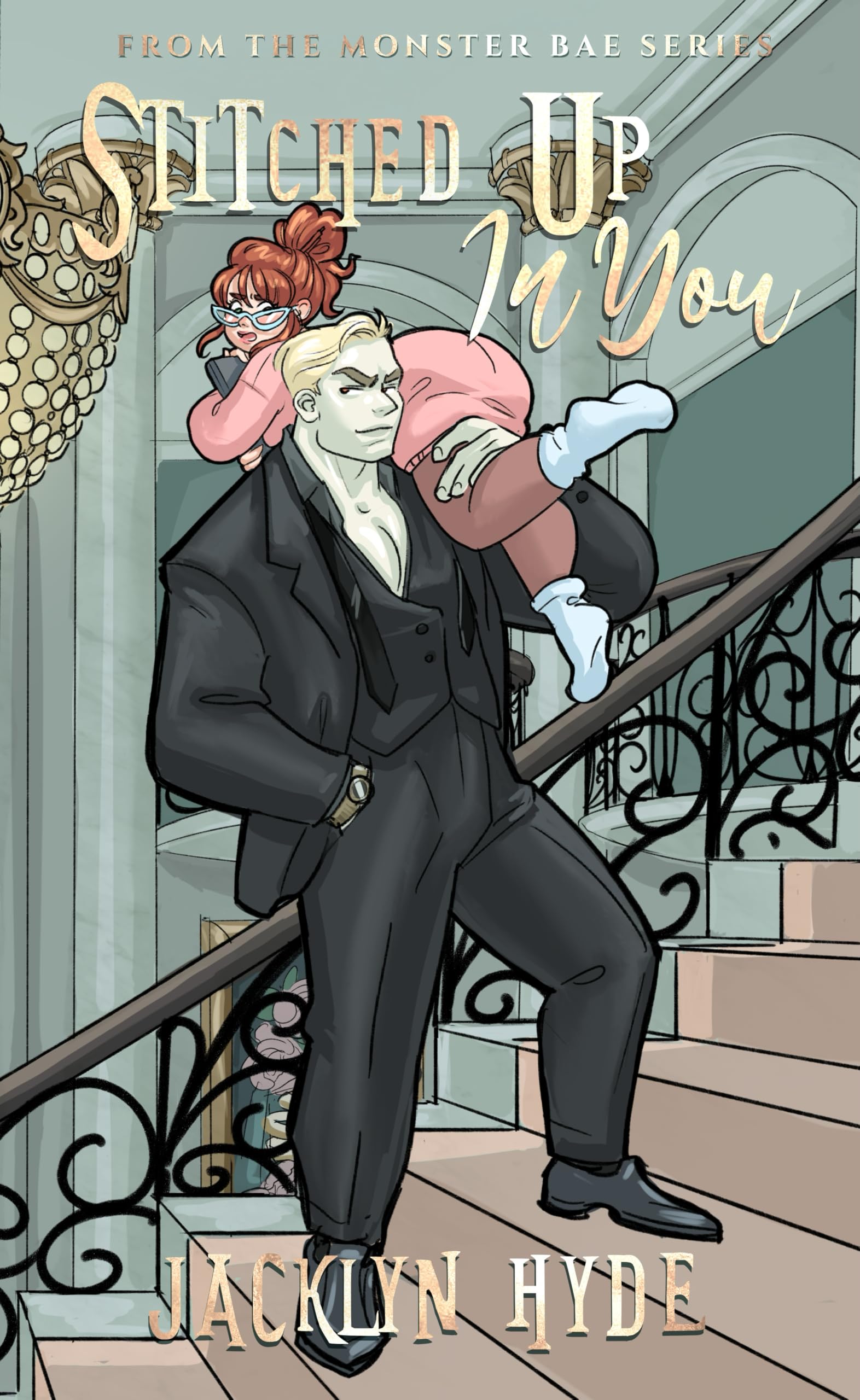
Stitched Up in You (Monster Bae Series Book 3)
Jacklyn Hyde

Zombie Coloring Book: Black Background: Midnight Edition Zombie Coloring Pages for Everyone, Adults, Teenagers, Tweens, Older Kids, Boys, & Girls, ... Practice for Stress Relief & Relaxation
Art Therapy Coloring
Non Fiction Picks
View All
Supercommunicators: How to Unlock the Secret Language of Connection
Charles Duhigg

Four Thousand Weeks: Time Management for Mortals
Oliver Burkeman

Fly, Wild Swans: My Mother, Myself and China
Jung Chang

The Discovery of Britain: An Accidental History
Graham Robb

Neptune's Fortune: The Billion-Dollar Shipwreck and the Ghosts of the Spanish Empire
Julian Sancton

Vanderbilt: The Rise and Fall of an American Dynasty
Anderson Cooper
