7
0
📍 Noticed
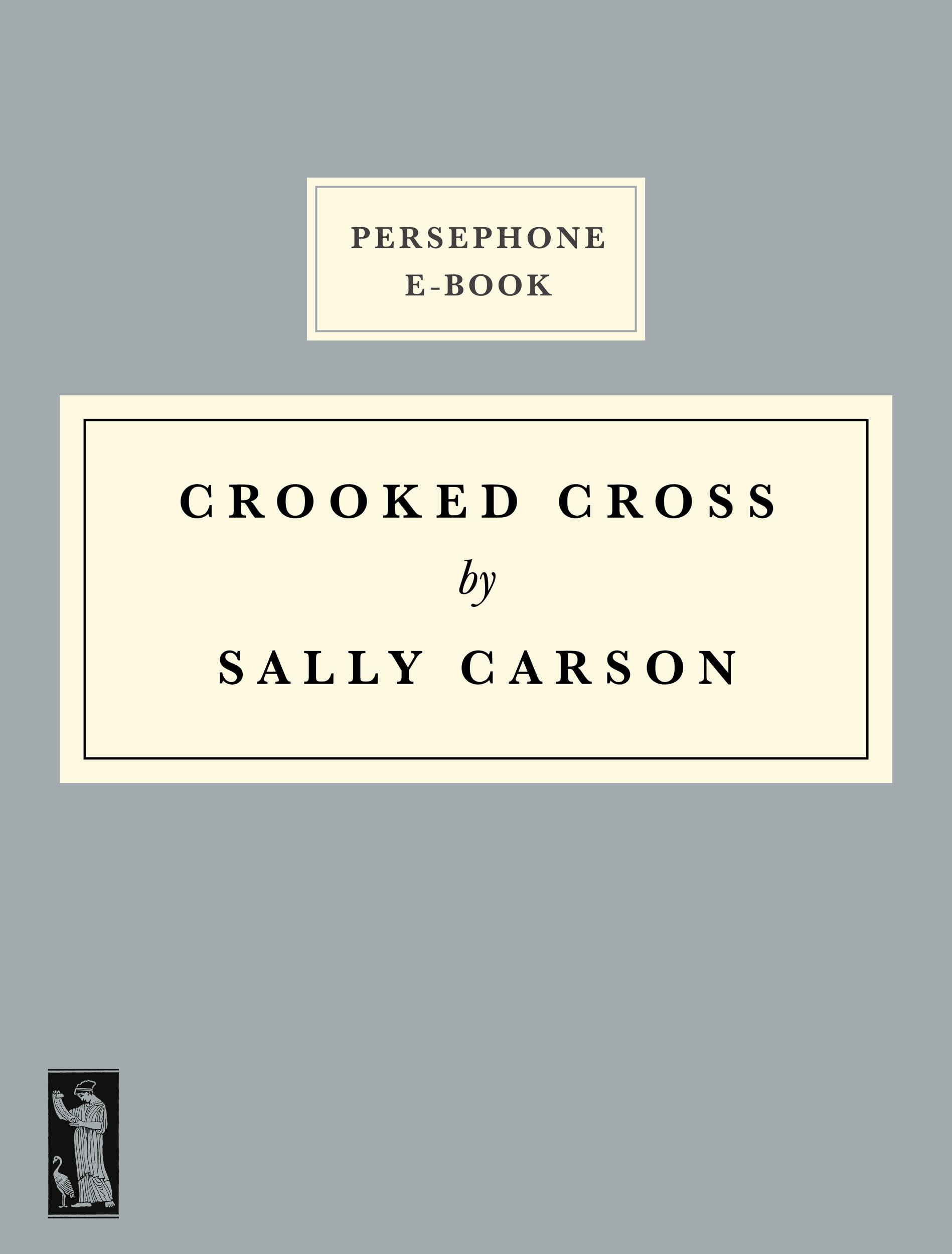
Crooked Cross
by Sally Carson
Sponsored
Synopsis
Crooked Cross describes, through the eyes of one ordinary family, the Nazis’ growth in power between December 1932 and August 1933. It is extraordinarily prescient, anticipating all the horrors they were about to inflict on the world. The main focus of the novel is on disaffected German youth: it ...
Crooked Cross describes, through the eyes of one ordinary family, the Nazis’ growth in power between December 1932 and August 1933. It is extraordinarily prescient, anticipating all the horrors they were about to inflict on the world. The main focus of the novel is on disaffected German youth: it shows with great subtlety that by the early 1930s there was huge unemployment, and a corresponding feeling of futility, and that what the Nazis did so skilfully was to provide a sense of purpose. Crooked Cross is the best account we've read of why some young men who feel disaffected, lost or ignored turn towards authoritarian governments.
"‘Do you want another war, Helmy?’ asked Frau Kluger quietly, keeping her eyes on the bread she was cutting.
‘I don’t know,’ he answered miserably. ‘I don’t know what I want. I want something – we all want something – we all want to be somebody, want to have something – make something.’
‘You mean you all want to break something,’ broke in Lexa sharply. ‘And when you’ve broken everything you can touch – what d’you think you’ll do then?’"
The heroine of the novel, Lexa, watches her brothers being seduced by National Socialism, as she observes her Catholic fiancé losing his job because he has a Jewish name and, by the summer of ’33, is deprived of basic human rights like sitting on a park bench. But despite the grimness of all this, the novel remains intensely readable as it implicitly asks the question: how could the country of Beethoven and Goethe, Freud and the Bauhaus, be descending into barbarism? Why would the rest of the world not intervene before it was too late?
When Crooked Cross was published in 1934 the Daily Mirror thought it ‘gripping and moving’, the Observer called it ‘a very good novel’, the Times Literary Supplement congratulated Sally Carson on ‘the delicacy of the love story which she has placed in this grim setting’ and the Coventry Herald thought it ‘a book everyone should read – and remember’. A year later it was turned into a West End play and then she wrote two sequels, The Prisoner (1936) and A Traveller Came By (1938). But with the outbreak of war, and Sally Carson’s death in 1941, her work was forgotten – until now.
You May Also Like

Mr. Perfect on Paper
Jean Meltzer

Mountain Man Plan (Mountain Men, #4)
Ava Grace

The Last of the Just
André Schwarz-Bart

The Art of Walt Disney: From Mickey Mouse to the Magic Kingdoms
Christopher Finch
Never Never (Villains #9)
Serena Valentino

One Man's Wilderness, 50th Anniversary Edition: An Alaskan Odyssey
Richard Louis Proenneke
Psychology Picks
View All
Unmasking Autism: Discovering the New Faces of Neurodiversity
Devon Price

The Comfort Crisis: Embrace Discomfort To Reclaim Your Wild, Happy, Healthy Self
Michael Easter

Por si las voces vuelven
Ángel Martín

The Intimate Animal: The Science of Sex, Fidelity, and Why We Live and Die for Love
Justin R. Garcia
The Myth of Normal: Trauma, Illness, and Healing in a Toxic Culture
Gabor Maté
The Strange Case of Jane O.
Karen Thompson Walker
