
5
0
Support the library.
Your support helps keep books free for everyone ❤️
📍 Noticed
Author Unknown: The Power of Anonymity in Ancient Rome
by Tom Geue
Sponsored
Synopsis
An exploration of the darker corners of ancient Rome to spotlight the strange sorcery of anonymous literature.From Banksy to Elena Ferrante to the unattributed parchments of ancient Rome, art without clear authorship fascinates and even offends us. Classical scholarship tends to treat this ...
An exploration of the darker corners of ancient Rome to spotlight the strange sorcery of anonymous literature.
From Banksy to Elena Ferrante to the unattributed parchments of ancient Rome, art without clear authorship fascinates and even offends us. Classical scholarship tends to treat this anonymity as a problem or game―a defect to be repaired or mystery to be solved. Author Unknown is the first book to consider anonymity as a site of literary interest rather than a gap that needs filling. We can tether each work to an identity, or we can stand back and ask how the absence of a name affects the meaning and experience of literature.
Tom Geue turns to antiquity to show what the suppression or loss of a name can do for literature. Anonymity supported the illusion of Augustus’s sprawling puppet mastery ( Res Gestae ), controlled and destroyed the victims of a curse (Ovid’s Ibis ), and created out of whole cloth a poetic persona and career (Phaedrus’s Fables ). To assume these texts are missing something is to dismiss a source of their power and presume that ancient authors were as hungry for fame as today’s.
In this original look at Latin literature, Geue asks us to work with anonymity rather than against it and to appreciate the continuing power of anonymity in our own time.
From Banksy to Elena Ferrante to the unattributed parchments of ancient Rome, art without clear authorship fascinates and even offends us. Classical scholarship tends to treat this anonymity as a problem or game―a defect to be repaired or mystery to be solved. Author Unknown is the first book to consider anonymity as a site of literary interest rather than a gap that needs filling. We can tether each work to an identity, or we can stand back and ask how the absence of a name affects the meaning and experience of literature.
Tom Geue turns to antiquity to show what the suppression or loss of a name can do for literature. Anonymity supported the illusion of Augustus’s sprawling puppet mastery ( Res Gestae ), controlled and destroyed the victims of a curse (Ovid’s Ibis ), and created out of whole cloth a poetic persona and career (Phaedrus’s Fables ). To assume these texts are missing something is to dismiss a source of their power and presume that ancient authors were as hungry for fame as today’s.
In this original look at Latin literature, Geue asks us to work with anonymity rather than against it and to appreciate the continuing power of anonymity in our own time.
You May Also Like
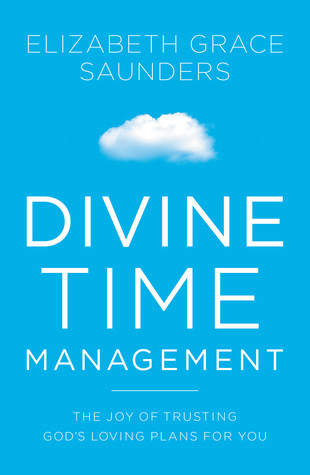
Divine Time Management
Elizabeth Grace Saunders

Animalia
Graeme Base

The Pivot Year
Brianna Wiest

Gin Tonica: 40 recipes for Spanish-style gin and tonic cocktails
David T. Smith

Sassafrass, Cypress & Indigo
Ntozake Shange

The DIRTY, LAZY, KETO Cookbook: Bend the Rules to Lose the Weight! (DIRTY, LAZY, KETO Diet Cookbook Series)
Stephanie Laska
Science Picks
View All
The First Family
Granger

The Age of Calamities
Senaa Ahmad

Playground
Richard Powers

The Worlds I See: Curiosity, Exploration, and Discovery at the Dawn of AI
Fei-Fei Li

The Poppy Fields
Nikki Erlick

All in Her Head: The Truth and Lies Early Medicine Taught Us About Women's Bodies and Why It Matters Today
Elizabeth Comen
