
3
0
Support the library.
Your support helps keep books free for everyone ❤️
📍 Noticed
A Pox on Fools: The True Believers, Grifters, and Cynics Who Convinced Us to Reject Vaccines
by Thomas Levenson
Sponsored
Synopsis
An urgent and profound history of the origins of vaccine skepticism, seeking to understand how our three most common fears about vaccines hardened into a lethal ideology—from a leading science writerSince the advent of smallpox inoculation in the eighteenth century, the idea that a ...
An urgent and profound history of the origins of vaccine skepticism, seeking to understand how our three most common fears about vaccines hardened into a lethal ideology—from a leading science writer
Since the advent of smallpox inoculation in the eighteenth century, the idea that a disease introduced to the body in some lesser, weakened form might prevent full-blown infection has been one of the greatest public health insights of the modern era, inspiring the invention of numerous vaccines and saving countless human lives. But, just as humanity acquired the god-like power to stop infectious disease in its tracks, some feared we had gone too far, leading to the skepticism that has hijacked public health discourse today.
In three sweeping essays written for our current moment of scientific mistrust, Thomas Levenson searches for the origin points of the most common arguments against that they are unnatural; that they are more dangerous than the illnesses they claim to prevent; and that they are an affront to freedom. Each arose from the earliest development of particular vaccines and the campaigns to distribute them. What surprises Levenson, though, even as the pattern repeats, is how innocent the skepticism initially was and, in each case, how very human fears and questions ultimately turned into something darker, where no truth would be enough to overcome the doubt.
Searing but ultimately empathetic, Prometheus Scorned explores the human impulse to question and wonder—sometimes past the point at which the very act of questioning turns deadly.
Since the advent of smallpox inoculation in the eighteenth century, the idea that a disease introduced to the body in some lesser, weakened form might prevent full-blown infection has been one of the greatest public health insights of the modern era, inspiring the invention of numerous vaccines and saving countless human lives. But, just as humanity acquired the god-like power to stop infectious disease in its tracks, some feared we had gone too far, leading to the skepticism that has hijacked public health discourse today.
In three sweeping essays written for our current moment of scientific mistrust, Thomas Levenson searches for the origin points of the most common arguments against that they are unnatural; that they are more dangerous than the illnesses they claim to prevent; and that they are an affront to freedom. Each arose from the earliest development of particular vaccines and the campaigns to distribute them. What surprises Levenson, though, even as the pattern repeats, is how innocent the skepticism initially was and, in each case, how very human fears and questions ultimately turned into something darker, where no truth would be enough to overcome the doubt.
Searing but ultimately empathetic, Prometheus Scorned explores the human impulse to question and wonder—sometimes past the point at which the very act of questioning turns deadly.
You May Also Like



Philosophy Picks
View All
Supremacy: AI, ChatGPT, and the Race That Will Change the World
Parmy Olson

Always Remember: The Boy, the Mole, the Fox, the Horse and the Storm
Charlie Mackesy

The Serviceberry: Abundance and Reciprocity in the Natural World
Robin Wall Kimmerer
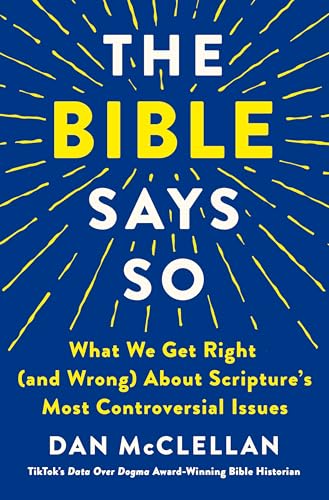
The Bible Says So: What We Get Right (and Wrong) About Scripture’s Most Controversial Issues
Daniel McClellan

Small Boat
Vincent Delecroix

The Score: How to Stop Playing Somebody Else's Game
C. Thi Nguyen
